
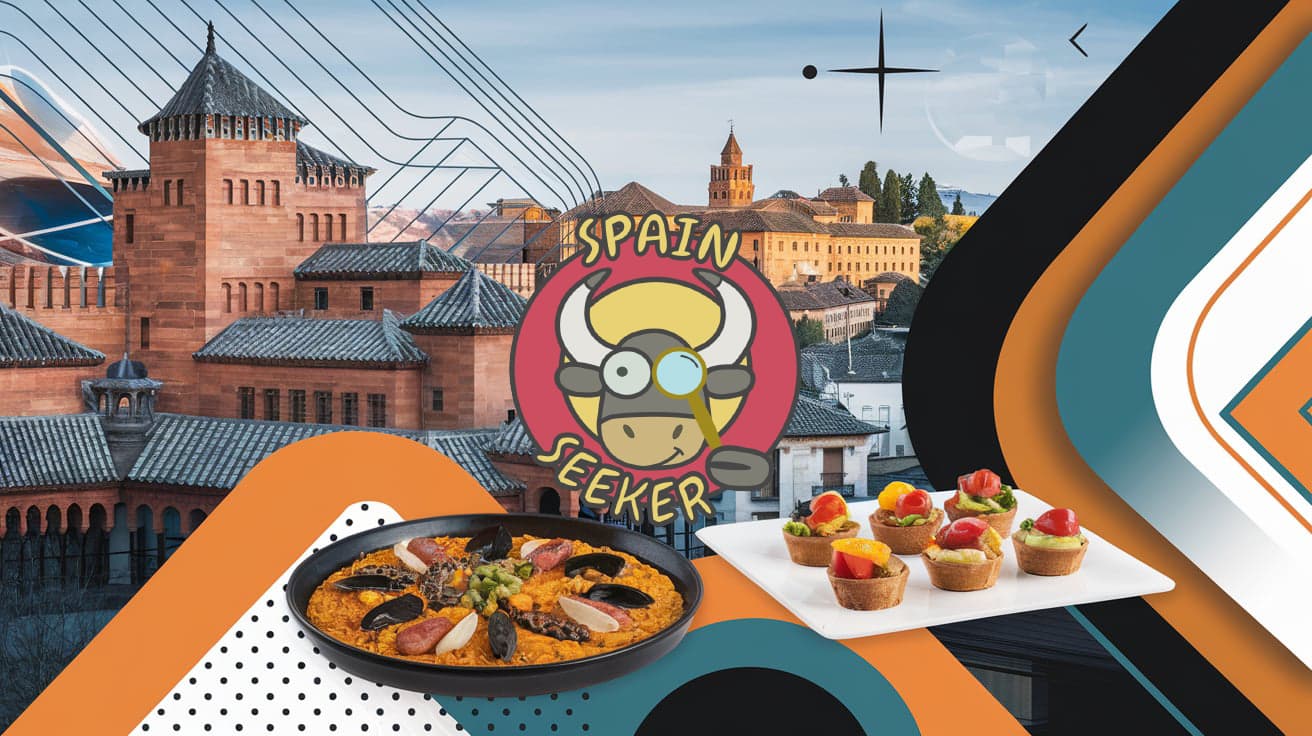
Introduction to Spain's Rich Cultural Tapestry
Spain is a land of vibrant colors, rich histories, and diverse traditions that weave together to create a cultural tapestry like no other. From the passionate strumming of flamenco guitars in Andalusia to the tantalizing aroma of paella simmering in Valencia, every corner of this beautiful country offers a unique glimpse into its soul. Whether you are wandering through the historic streets of Barcelona or savoring pintxos in San Sebastián, you will discover that Spain’s traditions are not just relics of the past; they are living, breathing expressions of its people and their stories.
The Melting Pot of Cultures
Spain's cultural heritage is a result of centuries of influences from various civilizations, including the Romans, Moors, and Visigoths. This rich history has given rise to a multitude of regional customs, languages, and culinary practices. Each autonomous community boasts its own identity, making Spain a mosaic of cultures that invites exploration.
Festivals that Ignite the Senses
One of the most exhilarating aspects of Spanish culture is its festivals. These vibrant celebrations showcase the country's traditions in spectacular fashion. For instance, the Running of the Bulls in Pamplona is a thrilling spectacle that attracts visitors from around the globe. Meanwhile, the La Tomatina festival in Buñol turns the streets into a playful battlefield of tomatoes, illustrating the Spanish spirit of fun and camaraderie.
- Semana Santa (Holy Week) in Seville: A deeply moving religious observance featuring elaborate processions.
- Fallas in Valencia: A fiery celebration where gigantic sculptures are burned in a spectacular display.
- San Fermín in Pamplona: A week-long festival known for its famous bull runs and lively parties.
Culinary Traditions That Tell a Story
Spanish cuisine is a feast for the senses, with each dish telling a story of its region. The culinary landscape is as varied as its landscapes, from the seafood-rich coasts of Galicia to the hearty stews of Castile. Traditional dishes such as paella, tapas, and gazpacho reflect the local ingredients and customs, making every meal a celebration of culture. Food in Spain is not just sustenance; it is a social event that brings families and friends together.
The Arts: A Reflection of Passion
The arts play a crucial role in Spain's cultural identity. Flamenco, a passionate dance and music genre originating from Andalusia, is a perfect example of how art can encapsulate emotion and history. The intricate footwork, soulful singing, and expressive guitar playing create an atmosphere that is both electrifying and intimate. Visitors can experience flamenco in its authentic form at various tablaos across the country, where the art comes alive in a way that words cannot describe.
Language and Literature: The Voices of Spain
Language is another integral part of Spain's cultural identity. While Spanish (Castilian) is the official language, regional languages such as Catalan, Galician, and Basque enrich the cultural landscape. Literature also holds a significant place in Spanish culture, with literary giants like Miguel de Cervantes and Federico García Lorca leaving an indelible mark on the world. Their works reflect the complexities and beauty of the Spanish experience, inviting readers to explore the country’s depths.
A Journey Awaits
As you embark on your journey through Spain, be prepared to immerse yourself in a world where traditions are celebrated, and the past is alive in the present. Each region offers a unique perspective on what it means to be Spanish, inviting you to discover the nuances that make this country a top destination for travelers. From the lively streets filled with music and laughter to the serene landscapes that tell tales of old, Spain promises an unforgettable experience that will leave you yearning for more.
Flamenco: The Heartbeat of Andalusia
Flamenco is more than just a dance; it’s a passionate expression of the soul that resonates deeply within the heart of Andalusia. This vibrant art form, with its intricate footwork, soulful singing, and emotive guitar playing, embodies the rich cultural tapestry of Spain. Originating from the diverse influences of the Romani, Moorish, and Andalusian cultures, flamenco has evolved into a powerful symbol of Spanish identity, captivating audiences around the world.
The Origins of Flamenco
The roots of flamenco can be traced back to the 18th century in the Andalusian region of southern Spain. It emerged from a blend of various musical traditions, including the folk songs of the Romani people, the Andalusian music styles, and the influences of Arabic music brought by the Moors. Over time, flamenco developed into a unique art form, characterized by its emotional intensity and improvisational nature.
Elements of Flamenco
Flamenco is composed of three main elements: cante (singing), toque (guitar playing), and baile (dance). Each element plays a crucial role in creating the passionate atmosphere that flamenco is known for:
- Cante: The singing in flamenco is deeply emotional, often conveying themes of love, sorrow, and longing. Each song, or palos, has its own distinct rhythm and mood.
- Toque: Flamenco guitarists showcase their virtuosity through intricate fingerpicking and strumming techniques, providing the rhythmic backbone for the performance.
- Baile: The dance is characterized by rapid footwork, expressive arm movements, and the use of traditional costumes, such as the vibrant dresses worn by female dancers.
Where to Experience Flamenco
To truly appreciate the beauty of flamenco, one must experience it live. Andalusia is home to some of the best venues to witness this captivating art form. Here are a few must-visit locations:
Seville
Seville is often considered the heart of flamenco. The city is dotted with numerous tablaos (flamenco venues) where you can enjoy authentic performances. One of the most famous is Tablao El Arenal, known for its talented dancers and musicians. Another popular spot is Casa de la Memoria, which offers intimate performances in a charming setting.
Granada
Granada, with its stunning backdrop of the Sierra Nevada mountains, is another fantastic place to experience flamenco. The caves of Sacromonte are particularly famous for their unique flamenco shows, where performers dance in the atmospheric setting of ancient caves. Don’t miss Los Tarantos, a venue that showcases the raw energy and emotion of flamenco in an unforgettable setting.
The Global Impact of Flamenco
In 2010, flamenco was recognized by UNESCO as an Intangible Cultural Heritage of Humanity, solidifying its importance not just in Spain but around the world. Today, flamenco continues to evolve, inspiring countless artists and enthusiasts globally. Festivals dedicated to flamenco, such as the Bienal de Flamenco in Seville, attract international performers and audiences, celebrating this timeless art form.
Why Flamenco is Essential to Understanding Spain
Experiencing flamenco is essential for understanding the cultural identity of Spain. It reflects the country’s history, struggles, and triumphs, making it a vital part of the Spanish experience. Whether you’re swaying to the rhythm of the guitar, feeling the intensity of a singer’s voice, or marveling at the skill of a dancer, flamenco offers a glimpse into the passionate spirit of Andalusia.
As you journey through Spain, make sure to immerse yourself in the world of flamenco. It’s not just a performance; it’s a celebration of life, culture, and the enduring human spirit that resonates in every note and every step.
Culinary Treasures: The Flavors of Valencia
Valencia, the vibrant capital of the Valencian Community, is a culinary haven that boasts some of Spain's most beloved dishes. Renowned for its rich agricultural lands, this region is the birthplace of paella, a dish that has transcended its humble origins to become a symbol of Spanish cuisine. In this section, we’ll explore the roots of paella, other traditional dishes, and the must-visit restaurants that showcase Valencia’s culinary prowess.
The Origins of Paella
Paella has its roots in the rural traditions of Valencia, where farmers would cook rice over an open fire, using ingredients sourced from their surroundings. The name 'paella' derives from the Old French word 'paelle', which means pan, and refers to the wide, shallow pan in which this iconic dish is prepared. Originally, paella was a humble meal made with rabbit, snails, and green beans, but it has evolved over the years into various regional variations.
The most famous version, paella Valenciana, features chicken, rabbit, and a medley of local vegetables, all seasoned with saffron and rosemary. Seafood paella is another popular variant, often made with fresh catches from the Mediterranean, including shrimp, mussels, and calamari. Each version tells a story of the land and its flavors, making paella not just a meal, but a cultural experience.
Other Traditional Dishes to Savor
Beyond paella, Valencia offers a treasure trove of culinary delights that reflect its rich agricultural heritage. Here are some must-try dishes:
- Fideuà: Similar to paella but made with thin noodles instead of rice, this dish is often prepared with seafood and flavored with saffron and garlic.
- All i Pebre: A traditional eel stew made with potatoes, garlic, and paprika, showcasing the region's connection to its waterways.
- Esgarraet: A salad of roasted red peppers, salted cod, and olives, drizzled with olive oil, perfect as a tapas dish.
- Horchata de Chufa: A refreshing drink made from tiger nuts, sugar, and water, often enjoyed with fartons (sweet pastries) as a delightful afternoon snack.
Must-Visit Restaurants in Valencia
To truly experience the culinary scene of Valencia, here are some top restaurants where you can taste authentic dishes:
- La Pepica: Located by the beach, this restaurant is famous for its seafood paella and has been serving locals and visitors since 1898.
- Casa Roberto: A family-run establishment known for its traditional paella Valenciana, prepared with fresh, local ingredients.
- Restaurante Navarro: Renowned for its innovative takes on classic dishes, Navarro offers a modern dining experience while honoring traditional Valencian flavors.
- El Rall: A hidden gem in the heart of Valencia, this cozy spot serves up authentic fideuà and other regional specialties.
Food Markets: A Culinary Adventure
For a true taste of Valencia, visiting its bustling food markets is a must. The Mercado Central is one of the largest markets in Europe, where you can find an array of fresh produce, meats, seafood, and local delicacies. Strolling through the market, you’ll encounter vendors offering samples of jamón ibérico, artisan cheeses, and seasonal fruits, providing a sensory feast that captures the essence of Valencian cuisine.
The Mercado de Colón is another culinary hotspot, featuring a range of gourmet shops and eateries where you can indulge in everything from tapas to sweet treats.
Embrace the Culinary Culture
Valencia is not just about the food; it’s about the experience of sharing meals with family and friends. The Valencians take pride in their culinary traditions, and dining here is often a communal affair. Whether you’re enjoying a leisurely lunch with a view of the Mediterranean or savoring dinner in a local tavern, each meal is a celebration of the region's rich flavors and vibrant culture.
Exploring the culinary treasures of Valencia is an unforgettable journey that immerses you in the heart of Spanish gastronomy. From the iconic paella to the bustling markets, every bite tells a story of tradition and passion, making it a highlight of any trip to Spain.
Catalonia's Castells: A Towering Tradition
In the heart of Catalonia, a remarkable tradition rises above the rest—literally! The castells, or human towers, are a breathtaking spectacle that embodies the spirit of community, strength, and artistry. This unique cultural practice has deep roots in Catalonia, with its origins tracing back to the 18th century. Today, castells are not just a display of physical prowess; they represent the rich social fabric and identity of the Catalan people.
The Origins of Castells
The tradition of building human towers began in the Tarragona region of Catalonia, where local groups, known as collas, started competing to create the tallest and most intricate structures. Initially, these towers were built during festivals to celebrate local saints and have since evolved into a symbol of Catalan pride. In 2010, UNESCO recognized castells as an Intangible Cultural Heritage of Humanity, highlighting their significance in promoting community values and cultural expression.
The Structure of a Castell
A typical castell consists of several levels, with each layer made up of a team of individuals called castellers. The base, known as the pinya, provides stability and support for the entire structure. As the layers rise, the castellers climb one another, forming a series of increasingly complex formations. At the pinnacle, a small child, known as the anxaneta, often crowns the castell, raising their hand in triumph to signify the successful completion of the tower. The combination of strength, balance, and teamwork required to build a castell is nothing short of awe-inspiring.
Castell Competitions: A Festive Display
Throughout the year, numerous competitions take place across Catalonia, where different collas showcase their skills and compete for prestige. One of the most famous events is the Concurs de Castells, held every two years in Tarragona. This competition draws thousands of spectators eager to witness the thrilling performances of the castellers. The atmosphere is electric as teams strive to outdo one another, with each successful tower celebrated by cheers and applause.
Participating in the Tradition
For those looking to immerse themselves in this captivating tradition, several opportunities exist to participate in castells workshops. Many collas welcome newcomers to join in the experience, providing a unique chance to learn about the technique and teamwork involved in building these impressive towers. Whether you're a seasoned athlete or a curious traveler, the camaraderie and spirit of the castellers are sure to leave a lasting impression.
The Cultural Significance of Castells
Castells are more than just a thrilling spectacle; they are a profound representation of Catalonia's cultural identity. Each castell embodies the values of solidarity, teamwork, and community. The act of building a human tower requires trust and cooperation among the castellers, fostering a sense of belonging and unity. In a region that has experienced its share of political strife, castells serve as a reminder of the strength and resilience of the Catalan people.
Where to Experience Castells
- Tarragona: The birthplace of castells, Tarragona hosts several festivals throughout the year, including the famous Concurs de Castells.
- Barcelona: The capital city offers numerous opportunities to witness castells, especially during local festivals like La Mercè.
- Valls: Known as the 'home' of castells, Valls is a must-visit for enthusiasts eager to see the finest examples of this tradition.
Whether you are an avid traveler or a cultural enthusiast, witnessing the creation of a castell is an unforgettable experience that encapsulates the essence of Catalonia. The strength of the human spirit, the beauty of community, and the thrill of competition all converge in these towering structures, making castells a defining tradition of Spain. As you explore the vibrant landscapes and rich history of Catalonia, don't miss the chance to witness this extraordinary cultural phenomenon firsthand.
Natural Wonders and Historic Towns of Aragon
When it comes to the breathtaking landscapes and rich history of Spain, few regions can compare to Aragon. Nestled in the northeastern part of the country, Aragon is a treasure trove of natural wonders, from the towering peaks of the Pyrenees to the serene beauty of its historic towns. This region invites travelers to embark on a journey that intertwines the majesty of nature with the echoes of its storied past.
The Majestic Pyrenees
The Pyrenees mountain range forms a natural border between Spain and France, offering some of the most stunning landscapes in Europe. With its rugged peaks, lush valleys, and crystal-clear lakes, this area is a paradise for outdoor enthusiasts. Whether you’re into hiking, skiing, or simply soaking in the views, the Pyrenees provide an unforgettable backdrop.
One of the most popular destinations within the Pyrenees is Ordesa y Monte Perdido National Park. This UNESCO World Heritage site is renowned for its dramatic cliffs, deep canyons, and diverse wildlife. Hiking trails range from easy walks to challenging treks, making it accessible for everyone. Don’t miss the chance to witness the stunning Ordesa Valley, where the beauty of nature unfolds at every turn.
Historic Towns: Zaragoza
As the capital of Aragon, Zaragoza is a city that boasts a rich cultural heritage and remarkable architecture. The city’s history stretches back over two millennia, and its streets are lined with stunning examples of both Moorish and Christian influences.
One of the most iconic landmarks in Zaragoza is the Basilica del Pilar, a baroque masterpiece that stands proudly along the banks of the Ebro River. Legend has it that the Virgin Mary appeared here to the apostle James, making this site a significant pilgrimage destination. Visitors can admire the intricate frescoes by the famous painter Francisco Goya and take in the panoramic views from the basilica’s towers.
Another must-visit site is the Aljafería Palace, a stunning example of Moorish architecture that dates back to the 11th century. This fortified palace showcases exquisite Islamic art and is a testament to the region's diverse cultural history. Today, it serves as the seat of the Aragonese Parliament, bridging the past with the present.
Other Historic Gems
Beyond Zaragoza, Aragon is home to several other charming towns that offer a glimpse into its rich history. Huesca, for example, is known for its medieval architecture and the impressive Cathedral of Huesca, which features stunning Gothic and Romanesque elements.
Further south, the town of Teruel is famous for its Mudejar architecture, a unique blend of Islamic and Christian styles. The Torre de El Salvador and the Cathedral of Teruel are UNESCO World Heritage sites that showcase the region's architectural prowess.
Natural Wonders Beyond the Mountains
While the Pyrenees may steal the spotlight, Aragon is also home to other natural wonders worth exploring. The Monasterio de Piedra is a stunning natural park featuring cascading waterfalls, lush gardens, and a historic monastery. Visitors can stroll through the park’s scenic trails and enjoy the peaceful ambiance created by the sound of flowing water.
For those interested in geological formations, the Las Bardenas Reales in the southern part of Aragon offers a unique landscape of semi-desert terrain, with striking rock formations and canyons. This surreal environment is perfect for photography enthusiasts and adventure seekers alike.
Why Aragon is a Must-Visit
Aragon is a region that beautifully encapsulates the essence of Spain's natural beauty and historical depth. From the breathtaking vistas of the Pyrenees to the architectural wonders of its towns, this region offers a unique blend of experiences that captivate the heart and soul of every traveler.
As you journey through Aragon, you’ll find that the stories of its past are woven into the very fabric of its landscapes and cities. Whether you’re hiking through the mountains or exploring historic sites, every moment spent in Aragon is a step into a rich tapestry of culture and nature, making it a true gem in the heart of Spain.
Basque Country: A Culinary Paradise
The Basque Country, nestled in the northern part of Spain, is not just a feast for the eyes with its stunning landscapes; it is also a culinary paradise that tantalizes the taste buds. Renowned for its rich gastronomic culture, this region stands out for its unique culinary identity, blending traditional flavors with innovative techniques. From bustling pintxos bars to world-class Michelin-starred restaurants, the Basque Country offers a culinary journey like no other.
The Art of Pintxos
Pintxos are the heart and soul of Basque cuisine, a delightful variation of tapas that reflect the region's creativity and passion for food. Typically served on a skewer or a slice of bread, these small bites are perfect for sharing and sampling. In cities like San Sebastián and Bilbao, you’ll find pintxos bars lining the streets, each offering their unique take on this beloved tradition.
- San Sebastián: Known as the pintxos capital, San Sebastián boasts an impressive array of bars where you can enjoy everything from seafood to gourmet creations. Be sure to try the gilda, a classic pintxo made with olives, anchovies, and pickled peppers.
- Bilbao: The vibrant streets of Bilbao are home to numerous pintxos bars, each with its own specialties. Don’t miss the chance to sample bacalao a la vizcaína (cod in a rich tomato sauce) or txangurro (spider crab).
Michelin-Starred Excellence
The Basque Country is also home to a remarkable number of Michelin-starred restaurants, showcasing the region's commitment to culinary excellence. Chefs here are celebrated for their innovative approaches to traditional Basque dishes, often incorporating local ingredients to create extraordinary flavors.
- Arzak: Located in San Sebastián, Arzak has been a staple of Basque fine dining for decades, boasting three Michelin stars. Chef Juan Mari Arzak and his daughter, Elena, craft dishes that reflect the essence of Basque cuisine while pushing culinary boundaries.
- Azurmendi: This three-star restaurant near Bilbao is a true gastronomic experience, offering a menu that changes with the seasons. Chef Eneko Atxa focuses on sustainable practices and local ingredients, resulting in dishes that are as beautiful as they are delicious.
Local Ingredients and Culinary Traditions
At the heart of Basque cuisine is a commitment to using fresh, local ingredients. The region's lush landscapes provide an abundance of produce, seafood, and meats, allowing chefs to create dishes that celebrate the flavors of the land.
Some of the key ingredients that define Basque cooking include:
- Seafood: With its proximity to the Atlantic Ocean, the Basque Country is famous for its fresh seafood. Dishes featuring merluza (hake), txangurro, and anchoas (anchovies) are just a few examples of the region's bounty.
- Pintxos: As mentioned, pintxos are a staple of Basque dining culture. They are often made with seasonal ingredients and can range from simple to elaborate, showcasing the creativity of local chefs.
- Cheese: The Basque Country is known for its artisanal cheeses, particularly Idiazabal, a smoked sheep's milk cheese that pairs beautifully with local wines.
Wine and Cider: A Perfect Pairing
No culinary journey in the Basque Country would be complete without indulging in its wines and ciders. The region is famous for its Txakoli, a slightly sparkling white wine that pairs perfectly with seafood and pintxos. Meanwhile, the Basque cider, or sidra, offers a unique taste experience, often enjoyed straight from the barrel in traditional cider houses.
Visiting a sidrería (cider house) is a must for any food lover. Here, you can enjoy a traditional Basque meal of grilled steak, cod omelet, and cheese with quince paste, all washed down with the region's signature cider.
Why the Basque Country is a Culinary Must-Visit
The Basque Country is a culinary paradise that invites travelers to explore its vibrant food culture. From the bustling pintxos bars that line the streets of San Sebastián to the Michelin-starred restaurants that redefine Basque cuisine, this region offers an unforgettable gastronomic experience. Whether you are a seasoned foodie or just beginning your culinary journey, the Basque Country promises to leave a lasting impression on your palate.
The Camino de Santiago: A Pilgrimage of Heritage
Embarking on the Camino de Santiago is not just a journey; it’s an immersive experience steeped in history, spirituality, and breathtaking landscapes. This ancient pilgrimage route, which leads to the shrine of the apostle Saint James in Santiago de Compostela, has been traversed by countless pilgrims for over a thousand years. Today, it continues to captivate travelers seeking a deeper connection to Spain’s rich cultural heritage.
The Historical Significance of the Camino
Dating back to the 9th century, the Camino de Santiago was established as a Christian pilgrimage route following the discovery of Saint James' remains in Galicia. As one of the three major pilgrimages of Christianity, alongside Jerusalem and Rome, it became a spiritual journey for many. Pilgrims from all walks of life, including kings, commoners, and even artists, have walked its paths, each leaving an indelible mark on the culture and history of the regions they traversed.
The route has various starting points across Europe, with the most popular being the Camino Francés, which begins in Saint-Jean-Pied-de-Port in France. This 800-kilometer trek takes approximately 30 to 35 days to complete, winding through diverse landscapes, charming villages, and historic towns.
Scenic Landscapes Along the Route
The Camino de Santiago is renowned for its stunning scenery. Pilgrims traverse rolling hills, lush vineyards, and rugged mountains, each step offering a new vista. Here are some highlights:
- The Pyrenees: The journey begins with a challenging ascent through the majestic Pyrenees mountains, where breathtaking views await.
- The Meseta: This vast plateau offers a unique experience with its expansive fields and the occasional medieval town, perfect for a well-deserved rest.
- Galician Countryside: As pilgrims approach Santiago, they are greeted by the lush greenery and traditional stone houses of Galicia, a stark contrast to the arid landscapes of the Meseta.
Spiritual and Personal Growth
While the Camino de Santiago is often considered a religious pilgrimage, it is also a journey of personal discovery. Many pilgrims walk the route for various reasons—spiritual reflection, physical challenge, or simply a desire to disconnect from the modern world. The experience encourages mindfulness, as travelers engage with their surroundings and fellow pilgrims, sharing stories and forging connections.
Along the way, pilgrims often carry a credential, a passport-like document that gets stamped at various points, symbolizing their progress. Upon reaching Santiago, those who have completed at least 100 kilometers can receive a Compostela, a certificate of completion, marking their achievement.
Experiencing Local Culture
Walking the Camino provides a unique opportunity to immerse oneself in the local culture. Each region offers its own culinary delights, from the famous tapas of León to the seafood of Galicia. Pilgrims are encouraged to indulge in local cuisine, which not only nourishes the body but also enriches the experience.
Moreover, the towns along the route are steeped in history, boasting stunning architecture and vibrant local traditions. Key stops include:
- Pamplona: Famous for the Running of the Bulls, this city is rich in history and offers a lively atmosphere.
- Burgos: Home to the magnificent Gothic cathedral, a UNESCO World Heritage site, this city is a must-visit for history enthusiasts.
- Santiago de Compostela: The journey culminates in this historic city, where the stunning cathedral houses the relics of Saint James.
Why the Camino is Among the Best of Spain
The Camino de Santiago is more than just a trail; it’s a transformative journey that embodies the essence of Spain’s cultural heritage. It invites travelers to explore the country’s history, connect with nature, and engage with local communities. Whether you seek spiritual enlightenment, adventure, or cultural immersion, the Camino offers an unforgettable experience that resonates long after the journey ends.
As you lace up your boots and set forth on this legendary pilgrimage, you join a tapestry of history and humanity, making your own mark on the ever-evolving story of Spain.
Why This Ranks Among the Best of Spain
Spain is a country that thrives on tradition, where each region boasts its own unique customs, flavors, and festivities. From the passionate dance of flamenco in Andalusia to the breathtaking human towers of Catalonia, the diverse cultural tapestry of Spain offers travelers an unparalleled opportunity to immerse themselves in authentic experiences. Here, we reflect on why these unforgettable traditions make Spain one of the most sought-after destinations for those craving genuine cultural encounters.
The Richness of Regional Diversity
One of the most captivating aspects of Spain is its regional diversity. Each autonomous community has developed its own identity, language, and customs. For instance, while the Basque Country is famous for its culinary innovations and pintxos bars, Valencia is celebrated for its vibrant festivals and the world-renowned paella. This rich regionalism allows travelers to experience a wide array of traditions, each with its own story to tell.
Festivals That Ignite the Spirit
Spain is home to some of the most exhilarating festivals in the world. Events like La Tomatina in Buñol and the Running of the Bulls in Pamplona attract thousands of visitors each year, showcasing the country’s zest for life and celebration. These festivals not only provide entertainment but also serve as a window into the cultural heritage of the regions. They are a chance to witness age-old rituals, taste local delicacies, and connect with the warm-hearted locals who take pride in sharing their traditions.
Culinary Journeys Through Tradition
Spain's culinary landscape is a testament to its rich traditions. Each dish tells a story, often rooted in centuries of history. From the aromatic spices of Andalusian gazpacho to the savory flavors of Catalan calçots, the food of Spain is an integral part of its cultural identity. Food tours and cooking classes offer travelers the chance to learn from local chefs, providing an immersive experience that goes beyond just tasting. This culinary journey is a celebration of local ingredients, family recipes, and the communal spirit of sharing meals.
Art and Music: The Soul of Spain
Art and music are deeply embedded in Spanish culture, with flamenco serving as a prime example. This passionate dance form, characterized by its intricate footwork and expressive hand movements, originated in Andalusia and has become a symbol of Spanish identity. Attending a flamenco show in a local tablao is not merely an entertainment option; it is a cultural experience that connects visitors to the heart and soul of Spain.
The Spiritual Journey of the Camino de Santiago
The Camino de Santiago is more than just a pilgrimage; it is a journey that embodies the spiritual and cultural essence of Spain. Walking this ancient route allows travelers to connect with the land, its history, and its people. Along the way, pilgrims are treated to stunning landscapes, quaint villages, and the warm hospitality of locals. The sense of community fostered along the Camino is a testament to the enduring nature of Spanish traditions.
Preserving Heritage in a Modern World
In a rapidly changing world, Spain's commitment to preserving its traditions is commendable. Many regions actively promote their cultural heritage through educational programs, festivals, and local initiatives. This dedication not only enriches the lives of locals but also enhances the experience for visitors, who are invited to participate in workshops, traditional dances, and artisan crafts. The result is a vibrant cultural scene that honors the past while embracing the future.
Unforgettable Memories Await
Ultimately, what makes Spain rank among the best destinations in the world is the profound impact of its traditions on travelers. The ability to witness and participate in these cultural experiences creates lasting memories that enrich our understanding of the world. Whether you're dancing the flamenco, savoring a plate of paella, or walking the Camino de Santiago, each moment spent in Spain is a celebration of life, passion, and community.
As you plan your journey through this enchanting country, remember that the heart of Spain lies in its traditions. They are the threads that weave together the vibrant tapestry of Spanish culture, inviting you to explore, engage, and embrace all that this remarkable nation has to offer.