
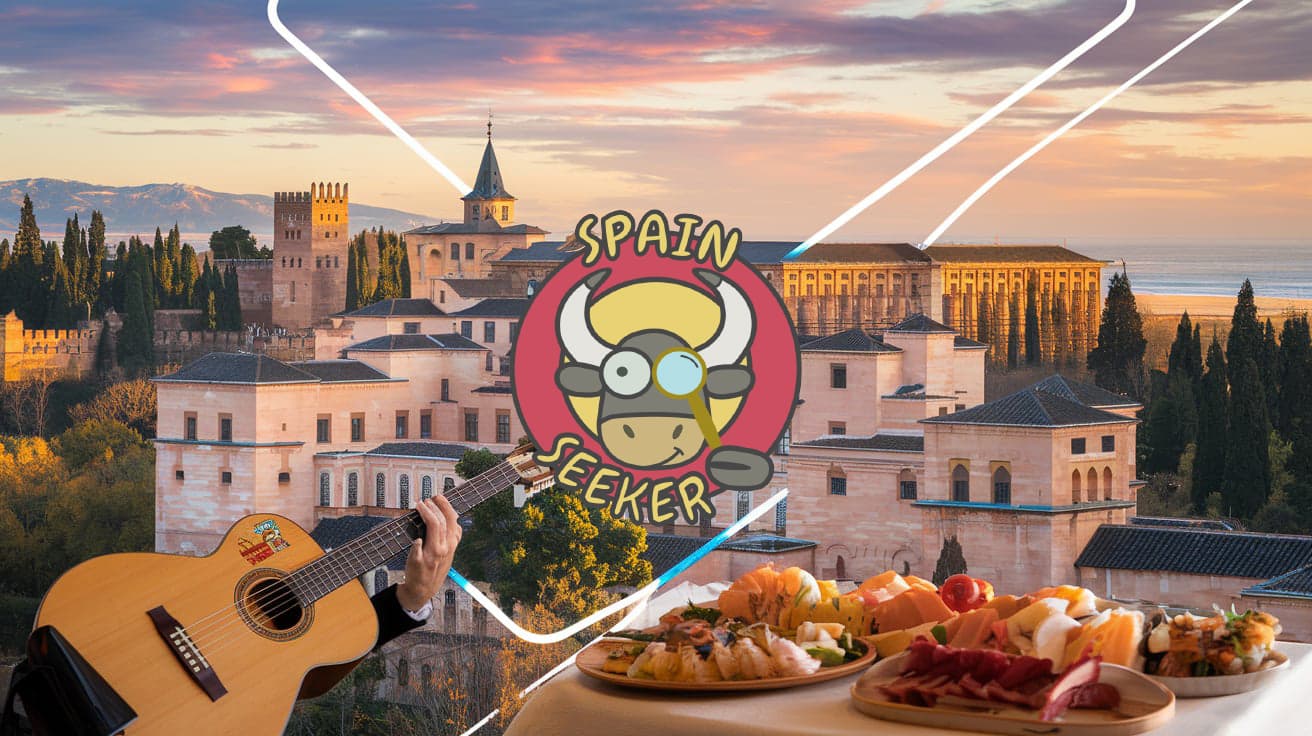
Introduction to Spain's Rich Tapestry
Spain is a country that captivates the senses, where vibrant cultures and rich histories converge to create a unique tapestry of experiences. From the sun-drenched beaches of the Costa del Sol to the snow-capped peaks of the Pyrenees, Spain's diverse landscapes are mirrored by its equally varied cultural influences. This fascinating blend of the ancient and the modern makes Spain not just a destination, but a journey through time.
A Journey Through Time
Traveling through Spain is like flipping through the pages of a history book, each city and town revealing a different chapter of the nation’s past. The echoes of Roman amphitheaters, Moorish palaces, and medieval castles resonate throughout the land, reminding visitors of the various civilizations that have left their mark. Granada's Alhambra, a stunning example of Islamic architecture, stands as a testament to the rich cultural exchange that has shaped the country. Meanwhile, the Gothic cathedrals of Barcelona and the Renaissance palaces of Toledo showcase the artistic brilliance that flourished in Spain.
Modernity Meets Tradition
While Spain is steeped in history, it is also a country that embraces modernity. Cities like Madrid and Barcelona are at the forefront of contemporary art and design, featuring cutting-edge architecture and innovative culinary scenes. The contrast is striking: ancient plazas filled with tapas bars coexist alongside bustling markets and avant-garde galleries. This juxtaposition of old and new is what makes Spain a melting pot of creativity and tradition.
The Influence of Diverse Cultures
Spain's identity is shaped by a multitude of cultural influences, from the Iberians and Celts to the Romans and Moors. Each of these groups has contributed to the rich mosaic of Spanish culture, evident in the country’s languages, traditions, and cuisines. The regional differences are profound; for instance, the Catalan culture in the northeast is distinct from the vibrant Andalusian traditions in the south. This diversity is celebrated in festivals, music, and art, making every visit to Spain a unique experience.
Spain's Regional Identities
- Andalusia: Known for flamenco dancing and rich Moorish heritage, this southern region is a cultural hotspot.
- Catalonia: Home to the surreal architecture of Antoni Gaudí and a strong sense of regional pride.
- Basque Country: Renowned for its distinct language and culinary innovations, including pintxos.
- Galicia: Famous for its stunning coastline and Celtic roots, offering a unique cultural experience.
A Land of Festivals and Traditions
No discussion of Spain's cultural richness would be complete without mentioning its vibrant festivals. Each region has its own unique celebrations, from the world-famous La Tomatina in Buñol to the solemn processions of Semana Santa (Holy Week) throughout the country. These events not only showcase Spain's cultural heritage but also foster a sense of community and belonging among locals and visitors alike.
The Warmth of Spanish Hospitality
At the heart of Spain's rich tapestry is the warmth and hospitality of its people. Spaniards take pride in sharing their culture, whether through a lively conversation over tapas or an invitation to join in a local fiesta. This welcoming spirit invites travelers to immerse themselves fully in the experience, forging connections that transcend language and borders.
As you embark on your journey through Spain, prepare to be enchanted by its unique contrasts and vibrant cultural influences. Each city, each tradition, and each interaction will deepen your appreciation for this remarkable country, making it a truly unforgettable destination.
Must-Visit Historical Cities
Spain is a treasure trove of historical cities, each with its own unique story and stunning architecture that tells tales of bygone eras. Among these, Toledo, Segovia, and Salamanca stand out as must-visit destinations for anyone looking to immerse themselves in the rich tapestry of Spanish history.
Toledo: The City of Three Cultures
Nestled on a hill overlooking the Tagus River, Toledo is a city that beautifully encapsulates the coexistence of three religions: Christianity, Islam, and Judaism. This UNESCO World Heritage Site is often referred to as the “City of Three Cultures” due to its historical significance and architectural diversity.
As you wander through its narrow, winding streets, you’ll encounter magnificent landmarks such as the Toledo Cathedral, a stunning example of Gothic architecture, and the Alcázar of Toledo, a fortress with a rich military history. Don’t miss the El Greco Museum, dedicated to the famous painter who spent much of his life in this enchanting city.
Toledo is also famous for its traditional craftsmanship, particularly in the production of Damascene metalwork and marzipan. Be sure to sample some of the local treats as you explore this captivating city.
Segovia: A Fairytale City
Segovia, another UNESCO World Heritage Site, is known for its stunning Roman aqueduct, which is one of the best-preserved monuments of its kind in the world. This engineering marvel, built in the 1st century AD, stretches over 800 meters and features 166 arches, making it a must-see for history enthusiasts and photographers alike.
In addition to the aqueduct, Segovia boasts a fairytale-like castle known as the Alcázar of Segovia. Its unique shape inspired Disney's Cinderella Castle, and visitors can explore its opulent rooms and climb to the top for panoramic views of the surrounding landscape.
Segovia is also famous for its culinary delights, particularly cochinillo asado (roast suckling pig). Enjoy a meal at one of the local restaurants to experience the flavors of this historic city.
Salamanca: The Scholarly Gem
Home to one of the oldest universities in the world, the University of Salamanca, this city is a hub of knowledge and culture. The university’s stunning architecture, particularly the Plateresque façade, is a sight to behold and draws students and visitors from around the globe.
The city center is filled with remarkable buildings, including the Salamanca Cathedral, which consists of two cathedrals built in different centuries. The Old Cathedral dates back to the 12th century, while the New Cathedral was completed in the 18th century. Climb the bell tower for breathtaking views of the city and the surrounding countryside.
Salamanca is also known for its vibrant atmosphere, thanks to the large student population. The town square, Plaza Mayor, is considered one of the most beautiful squares in Spain and is the perfect place to relax with a café con leche while soaking in the lively ambiance.
Why These Cities Are Essential to Your Spanish Journey
Toledo, Segovia, and Salamanca are more than just historical cities; they are living museums that offer a glimpse into Spain’s rich cultural heritage. Each city boasts its own unique architecture, culinary delights, and traditions, making them essential stops for travelers seeking to understand the multifaceted identity of Spain.
From the winding alleys of Toledo to the majestic aqueduct of Segovia and the scholarly halls of Salamanca, these cities are a testament to Spain’s enduring legacy. Visiting them is not just a journey through history, but an opportunity to connect with the essence of what makes Spain truly special.
Architectural Marvels: The Alhambra and Mezquita-Catedral
Spain is a country where every corner tells a story, and nowhere is this more evident than in its architectural masterpieces. Among the most breathtaking are the Alhambra in Granada and the Mezquita-Catedral in Córdoba. These two iconic structures not only showcase the artistic brilliance of their respective eras but also embody the rich tapestry of Spain's historical narrative, where Islamic and Christian influences intertwine.
The Alhambra: A Jewel of Moorish Architecture
Nestled on the rolling hills of Granada, the Alhambra is a stunning example of Moorish architecture that draws millions of visitors each year. Originally built as a fortress in the mid-13th century, this UNESCO World Heritage Site has evolved into a breathtaking palatial complex, reflecting the opulence of the Nasrid dynasty.
As you wander through the Alhambra, you'll encounter intricate tile work, stunning stucco carvings, and serene gardens that evoke a sense of tranquility. The Generalife, the summer palace of the Nasrid rulers, offers a glimpse into the luxurious lifestyle of the time, complete with breathtaking gardens that overlook the city of Granada.
Don't miss the Palacios Nazaríes, the royal palaces that showcase exquisite Islamic art and architecture. The Hall of the Ambassadors, with its stunning wooden ceiling and grand scale, is a highlight that leaves visitors in awe. As the sun sets, the Alhambra transforms into a magical silhouette against the backdrop of the Sierra Nevada mountains, creating a picture-perfect moment.
The Mezquita-Catedral: A Testament to Cultural Fusion
In contrast to the Alhambra's Moorish splendor, the Mezquita-Catedral in Córdoba stands as a testament to the cultural fusion that defines Spain's history. Originally built as a mosque in the 8th century, it was converted into a cathedral in the 13th century, creating a unique architectural blend that tells the story of two religions coexisting.
Upon entering the Mezquita, visitors are greeted by a forest of red and white arches supported by over 800 columns, a stunning feature that reflects the mosque's Islamic origins. The mesmerizing layout, combined with the soft light filtering through the stained glass, creates an ethereal atmosphere that captivates all who enter.
The heart of the Mezquita-Catedral is the Renaissance altar, a striking contrast to the mosque's Islamic elements. This fusion of styles epitomizes Spain's complex history, where the sacred spaces of Islam and Christianity have merged to create something truly unique.
Why These Marvels Are Essential to Your Spanish Journey
- Historical Significance: Both the Alhambra and the Mezquita-Catedral are not just architectural wonders; they are living monuments that narrate Spain's multifaceted history of conquest, coexistence, and cultural exchange.
- Artistic Inspiration: The intricate designs and artistic details found in both sites have inspired countless artists, architects, and writers throughout the centuries. Visiting them offers a profound appreciation for the craftsmanship and creativity of their builders.
- Stunning Views: The locations of both the Alhambra and the Mezquita-Catedral provide visitors with breathtaking vistas. The Alhambra overlooks the city of Granada and the Sierra Nevada mountains, while the Mezquita-Catedral offers views of the historic city center of Córdoba.
Exploring the Alhambra and the Mezquita-Catedral is more than just a visual feast; it's an opportunity to delve into the heart of Spain's cultural identity. These architectural marvels are essential stops on any journey through Spain, inviting travelers to reflect on the country's past while marveling at its present.
As you traverse the stunning landscapes of Spain, let the stories of the Alhambra and the Mezquita-Catedral resonate within you. These masterpieces are not merely structures; they are the embodiment of Spain's rich history, making them truly deserving of a place among the best of Spain.
The Vibrant Cultural Calendar of Spain
Spain is not just a destination; it’s an experience that dances to the rhythm of its vibrant cultural calendar. Throughout the year, the country comes alive with festivals that celebrate everything from ancient traditions to modern artistic expressions. Whether you’re a fan of flamenco, religious processions, or colorful parades, Spain offers a festival for every taste, making it a truly unique cultural hub.
Flamenco: The Soul of Andalusia
One cannot mention Spanish culture without highlighting flamenco. Originating from the Andalusian region, flamenco is more than just a dance; it’s a profound expression of emotion, featuring intricate footwork, vibrant costumes, and the soulful sounds of guitar and singing. The annual Festival de Flamenco in Seville, held every spring, showcases the best flamenco artists from around the world. Visitors can immerse themselves in workshops, performances, and even participate in the lively atmosphere that fills the streets.
The Fallas Festival: A Fiery Celebration
In March, the city of Valencia transforms into a spectacle of fire and art during the Fallas Festival. This week-long celebration honors Saint Joseph and culminates in the burning of elaborate sculptures known as fallas. These intricate creations, often satirical in nature, are the result of months of craftsmanship. The festival features fireworks, music, and traditional dishes like paella, offering a full sensory experience. As night falls, the dramatic bonfires light up the sky, marking the end of the festivities in a blaze of glory.
Semana Santa: A Spiritual Journey
For those seeking a more solemn experience, Semana Santa (Holy Week) is a profound cultural and religious observance celebrated across Spain, but particularly renowned in Seville and Malaga. From Palm Sunday to Easter Sunday, the streets are filled with processions featuring ornate floats and participants dressed in traditional robes. The air is thick with the scent of incense, and the sound of drums and trumpets creates an atmosphere of reverence. This deeply rooted tradition offers a glimpse into Spain’s spiritual heritage and is a moving experience for both locals and visitors alike.
La Tomatina: A Playful Food Fight
Looking for a festival that’s a bit more light-hearted? Look no further than La Tomatina, held annually in the town of Buñol, near Valencia. Every last Wednesday of August, thousands gather for a massive tomato fight, where participants throw overripe tomatoes at each other in a frenzy of fun. This quirky event is not only a great way to let loose but also fosters a sense of community and joy among participants. The festival is a reminder that sometimes, the best way to connect with others is through laughter and play.
San Fermín: The Running of the Bulls
Another iconic event on Spain’s cultural calendar is the San Fermín Festival in Pamplona, famous for the Encierro or Running of the Bulls. Taking place in July, this exhilarating event attracts thrill-seekers from around the globe who run alongside the bulls through the city streets. The festival is steeped in tradition, featuring daily bullfights, parades, and traditional music. While the running may be the main attraction, the entire festival is a vibrant celebration of Basque culture, complete with delicious local cuisine and lively street parties.
Experiencing Spain's Cultural Richness
With its rich tapestry of festivals, Spain offers a unique opportunity to experience its diverse cultural heritage. From the passionate rhythms of flamenco to the fiery festivities of Fallas, each celebration provides a window into the soul of the country. Travelers can immerse themselves in local traditions, savor regional delicacies, and connect with the warm-hearted people who bring these events to life.
Whether you are planning a trip around a specific festival or simply wish to explore the cultural landscape of Spain, participating in these vibrant celebrations is an unforgettable way to experience the best of Spain’s culture and history. Mark your calendars and get ready to dance, feast, and celebrate in this enchanting land!
Culinary Delights: A Food Lover's Paradise
Spain is a true gastronomic haven, where every region offers its own unique flavors and culinary traditions. From the sun-kissed coasts of the Mediterranean to the lush green hills of the north, the country's diverse landscapes are mirrored in its rich and varied cuisine. Whether you are a fan of seafood, meat, or vegetarian dishes, Spain has something to satisfy every palate. Join us as we explore some of the most iconic dishes and regional specialties that make Spain a food lover's paradise.
The Iconic Paella of Valencia
No discussion of Spanish cuisine would be complete without mentioning paella, the iconic dish that hails from the coastal city of Valencia. Traditionally cooked in a wide, shallow pan, paella is a vibrant saffron-infused rice dish that can be made with a variety of ingredients, including seafood, chicken, rabbit, and vegetables. The most famous version, paella Valenciana, features a delightful combination of chicken, rabbit, green beans, and garrofón beans, all simmered to perfection.
Visitors to Valencia should not miss the opportunity to enjoy this dish in its birthplace. Many local restaurants offer authentic paella cooked over an open flame, providing an unforgettable dining experience that captures the essence of Spanish culture.
Tapas Culture: A Social Feast
Another defining aspect of Spanish cuisine is the tapas culture, which encourages sharing and socializing over small plates of food. Originating in Andalusia, tapas can range from simple olives and cheese to more elaborate dishes like patatas bravas (fried potatoes with spicy sauce) and gambas al ajillo (garlic shrimp). Each region has its own take on tapas, making it a delightful way to explore local flavors.
Seville, the heart of tapas culture, is the perfect place to indulge in this culinary tradition. Strolling through the narrow streets, you’ll find bustling bars where locals gather to enjoy a glass of sherry paired with a variety of tapas. Be sure to try jamón ibérico, a cured ham that is a true delicacy in Spain.
Regional Specialties: A Culinary Journey
Spain's regions are home to a plethora of culinary treasures, each with its own distinct flavors and cooking techniques. Here are a few must-try regional specialties:
- Gazpacho: This cold tomato soup, originating from Andalusia, is a refreshing dish perfect for hot summer days. Made with ripe tomatoes, cucumbers, bell peppers, and onions, it’s blended to a smooth consistency and served chilled.
- Pintxos: In the Basque Country, pintxos are small snacks typically served on a skewer or piece of bread. They can be found in bars throughout cities like San Sebastián, where locals enjoy hopping from one bar to another to sample different flavors.
- Fabada Asturiana: This hearty bean stew from Asturias is made with large white beans, chorizo, and morcilla (blood sausage). It’s a comforting dish that reflects the region's rustic culinary heritage.
- Churros con Chocolate: No visit to Spain is complete without indulging in churros, deep-fried dough pastries often served with a cup of thick hot chocolate for dipping. This sweet treat is especially popular for breakfast or as an afternoon snack.
Wine and Culinary Pairings
Spain is also renowned for its exceptional wines, which complement its diverse cuisine beautifully. The country boasts several wine regions, each producing unique varieties. For example, the Rioja region is famous for its robust red wines, while Rías Baixas is known for its crisp Albariño whites.
When dining in Spain, consider pairing your meal with a local wine. A glass of Tempranillo with your paella or a chilled Albariño with fresh seafood can elevate your culinary experience to new heights.
Food Markets: A Feast for the Senses
For an immersive culinary experience, visiting local food markets is a must. Markets like Mercado de San Miguel in Madrid and La Boqueria in Barcelona offer a vibrant atmosphere where you can sample a variety of local delicacies, from artisanal cheeses to freshly caught seafood.
These markets not only showcase Spain's culinary diversity but also provide an opportunity to interact with local vendors, learn about traditional ingredients, and discover new flavors.
Experience the Best of Spain’s Culinary Scene
Spain's culinary delights are a reflection of its rich cultural heritage and regional diversity. From savoring a traditional paella in Valencia to indulging in tapas in Seville, every bite tells a story. As you travel through this vibrant country, take the time to explore its myriad of flavors and culinary experiences that make Spain truly a food lover's paradise.
The Artistic Heart of Spain: Museums and Galleries
Spain is a country that breathes art. From the vibrant strokes of Spanish painters to the innovative designs of modern architects, the nation is a canvas that reflects its rich cultural heritage. As you wander through its cities, you'll find an array of museums and galleries that house some of the world's most significant artistic treasures. Let's embark on a journey to explore these artistic havens, where history and creativity converge.
The Prado Museum: A Window to the Masters
Located in the heart of Madrid, the Prado Museum is a must-visit for any art enthusiast. This iconic museum is home to an extraordinary collection of European art, with over 8,000 paintings and 700 sculptures. Here, you can marvel at masterpieces by renowned artists such as Velázquez, Goya, and El Greco. A visit to the Prado is not just a stroll through a museum; it’s a deep dive into the evolution of art from the 12th to the early 20th century.
The Guggenheim Museum: A Modern Marvel
In stark contrast to the classical elegance of the Prado, the Guggenheim Museum in Bilbao represents the cutting edge of contemporary art. Designed by architect Frank Gehry, this architectural wonder is as much a work of art as the pieces it houses. Opened in 1997, the Guggenheim has become a symbol of the city's cultural renaissance, showcasing innovative works from artists like Jeff Koons, Richard Serra, and Yayoi Kusama. The museum’s dynamic exhibitions and striking building make it an essential stop on your artistic journey through Spain.
The Thyssen-Bornemisza Museum: A Journey Through Time
Just a stone's throw from the Prado is the Thyssen-Bornemisza Museum, which complements the collections of its neighbors beautifully. This museum houses a remarkable private collection that spans from the 13th to the late 20th century, featuring works by masters like Monet, Van Gogh, and Picasso. The museum's diverse collection allows visitors to appreciate the evolution of art movements, making it a vital part of Madrid's cultural landscape.
Barcelona’s Picasso Museum: A Tribute to a Master
Moving to Barcelona, the Picasso Museum offers a deep dive into the formative years of one of Spain's most famous artists. Housed in five adjoining medieval palaces, the museum showcases over 4,000 works by Picasso, including paintings, sketches, and ceramics. The collection emphasizes his connection to Barcelona, where he spent his youth, and provides insight into how his early experiences shaped his groundbreaking style.
Contemporary Art in Valencia: The IVAM
Valencia is not to be overlooked when it comes to art. The Institut Valencià d'Art Modern (IVAM) is a leading contemporary art museum that focuses on modern and contemporary works, particularly from the 20th century. With a collection that includes pieces by Marcel Duchamp and Andy Warhol, the IVAM is a vibrant space for those looking to explore the evolution of art in modern Spain.
Art Beyond the Walls: Street Art and Galleries
Spain's artistic scene extends far beyond traditional museums. Cities like Madrid and Barcelona are alive with street art that reflects contemporary social issues and cultural identity. Neighborhoods such as Malasaña in Madrid and El Raval in Barcelona are filled with murals and installations that invite you to engage with the urban landscape in a unique way. Additionally, numerous smaller galleries showcase emerging artists, providing a platform for fresh talent and innovative ideas.
Why Spain's Art Scene is Among the Best
The artistic heart of Spain is not just found in its museums and galleries; it pulses through the streets, in the sounds of flamenco, and in the vibrant culture of its people. Each piece of art tells a story, reflecting the complexities of Spanish history, identity, and creativity. Whether you're an art connoisseur or a casual visitor, exploring Spain's artistic treasures is an unforgettable experience that enriches your understanding of this captivating country.
As you plan your journey, make sure to include these cultural landmarks on your itinerary. They are not just places to see art; they are spaces to feel the essence of Spain itself, making them truly among the best of what this remarkable country has to offer.
Nature and Adventure: The Camino de Santiago
Embarking on the Camino de Santiago is not just a journey; it's a transformative experience that intertwines nature, history, and spirituality. This ancient pilgrimage route, which has been traversed for over a thousand years, leads to the magnificent cathedral in Santiago de Compostela, where it is believed that the remains of Saint James are buried. Whether you're seeking adventure, a spiritual awakening, or simply a break from the hustle and bustle of daily life, the Camino offers something for everyone.
The Routes of the Camino
There are several routes to choose from, each with its own unique charm and challenges:
- Camino Francés: The most popular route, stretching approximately 780 kilometers from Saint-Jean-Pied-de-Port in France to Santiago. This path winds through the stunning Pyrenees, lush vineyards, and historic towns.
- Camino Portugués: Starting in Lisbon or Porto, this route is known for its scenic coastal views and rich cultural experiences, making it a favorite among those who prefer a less crowded path.
- Camino del Norte: Running along the northern coast of Spain, this route offers breathtaking ocean vistas and rugged landscapes, perfect for those looking for a more challenging trek.
- Via de la Plata: The longest route, beginning in Seville and stretching over 1,000 kilometers, takes you through the heart of Spain's diverse countryside.
Connecting with Nature
One of the most enchanting aspects of the Camino de Santiago is its ability to immerse you in nature. As you walk, you'll encounter a variety of landscapes—from rolling hills and lush forests to serene rivers and picturesque villages. Each step is an opportunity to appreciate the beauty of the Spanish countryside.
The changing seasons add to the experience; spring brings vibrant flowers, summer offers warm sunlit paths, autumn showcases stunning foliage, and winter provides a serene, quiet backdrop. The diverse ecosystems along the route are home to an array of wildlife, making it a haven for nature lovers and birdwatchers alike.
Spiritual Journey
The Camino de Santiago is not just a physical trek; it is also a spiritual journey for many pilgrims. Traditionally, the path has been walked for religious reasons, but today, people from all walks of life take on the challenge for various personal reasons. Many walk the Camino to reflect, meditate, or simply to find a sense of peace.
Along the way, you’ll find numerous churches, monasteries, and chapels, where you can pause for contemplation or attend a service. The scallop shell, the symbol of the Camino, serves as a reminder of the spiritual significance of the journey, guiding you along the way.
Local Culture and Cuisine
Walking the Camino is also an opportunity to experience the rich local culture and cuisine of Spain. Each region you pass through has its own unique traditions, dialects, and culinary delights. From the hearty pulpo a la gallega in Galicia to the delicious tapas in León, your taste buds will be treated to an array of flavors.
Don't miss the chance to interact with locals, who often welcome pilgrims with open arms. Their stories and hospitality add another layer of depth to your journey, making each day a new adventure.
Preparing for the Journey
Before setting out on the Camino, it’s essential to prepare adequately. Start by choosing the route that best suits your fitness level and interests. Make sure to invest in a good pair of walking shoes, pack light, and carry only the essentials. A walking stick can also be beneficial, especially in hilly areas.
Consider planning your accommodations in advance, as popular routes can fill up quickly, especially during peak season. Many pilgrims opt for albergues (hostels) that cater specifically to walkers, offering a chance to meet fellow travelers and share experiences.
Why the Camino De Santiago is a Must-Experience
Walking the Camino de Santiago is more than just a hike; it’s an opportunity to disconnect from the chaos of modern life and reconnect with nature, your inner self, and the rich history of Spain. The breathtaking landscapes, the warmth of local communities, and the sense of accomplishment upon reaching Santiago make it an unforgettable adventure.
As part of your exploration of Spain's hidden gems, the Camino de Santiago stands out as a unique blend of adventure and cultural heritage, ensuring that your journey will be one of the best experiences you'll ever have in this remarkable country.
Why This Ranks Among the Best of Spain
Spain is a country that captivates the heart and soul of every traveler. With its rich tapestry of history, culture, and adventure, it stands out as one of the most alluring destinations in the world. From the ancient streets of Toledo to the vibrant festivals of Valencia, every corner of Spain offers a unique experience that resonates with both history buffs and adventure seekers alike.
Endless Historical Treasures
One of the most compelling reasons Spain ranks among the best travel destinations is its unparalleled historical heritage. The country is a living museum, where every stone and alleyway tells a story. Cities like Toledo and Segovia boast architectural marvels that date back centuries, showcasing Roman, Moorish, and Christian influences. Walking through these cities feels like stepping back in time, allowing travelers to immerse themselves in the rich narratives of Spain's past.
Cultural Vibrancy and Festivities
Spain's cultural calendar is bursting with life, with festivals that celebrate everything from local traditions to religious observances. The Fallas festival in Valencia, where giant papier-mâché sculptures are paraded and then set ablaze, is a spectacle that attracts thousands. Similarly, the Semana Santa (Holy Week) celebrations across the country offer a unique glimpse into Spain's deep-rooted religious customs and artistic expressions. These events are not just celebrations; they are a chance to witness the passion and spirit of the Spanish people, making them an essential part of any travel itinerary.
Culinary Adventures Await
No exploration of Spain would be complete without indulging in its culinary delights. The country is a gastronomic paradise, where each region boasts its own specialties. From the famous paella of Valencia to the rich flavors of tapas in Seville, every meal is an adventure. Food lovers can embark on a culinary journey, tasting regional wines, artisanal cheeses, and fresh seafood. Culinary tours and cooking classes offer travelers the chance to engage with local chefs, elevating their experience from mere observation to active participation.
Art and Inspiration
Art enthusiasts will find themselves enchanted by Spain’s artistic legacy. Renowned museums like the Prado in Madrid and the Guggenheim in Bilbao house masterpieces from legendary artists such as Picasso, Dalí, and Goya. These cultural institutions not only preserve art but also foster creativity and innovation. Visitors can explore contemporary art installations that challenge perceptions and provoke thought, making Spain a vibrant hub for artistic inspiration.
Nature’s Bounty and Adventure
For those seeking adventure, Spain offers a diverse range of natural landscapes. The Camino de Santiago provides a unique opportunity to connect with nature while following a historic pilgrimage route. This journey through picturesque towns and breathtaking countryside allows travelers to reflect and rejuvenate. Whether hiking in the Picos de Europa or exploring the stunning beaches of the Costa Brava, Spain's natural beauty is a playground for outdoor enthusiasts.
A Warm Welcome
Lastly, what truly makes Spain one of the best travel destinations is the warmth and hospitality of its people. The Spanish culture is characterized by a sense of community and friendliness that welcomes travelers with open arms. Whether you're enjoying a meal at a local tapas bar or mingling at a festival, the genuine connections made with locals enrich the travel experience, leaving lasting memories.
In essence, Spain is a treasure trove of unforgettable experiences that blend history, culture, and adventure seamlessly. From its historical cities and vibrant festivals to its culinary delights and artistic wonders, every visit is a journey of discovery. Those seeking a destination that offers both depth and excitement will find that Spain truly ranks among the best in the world.