
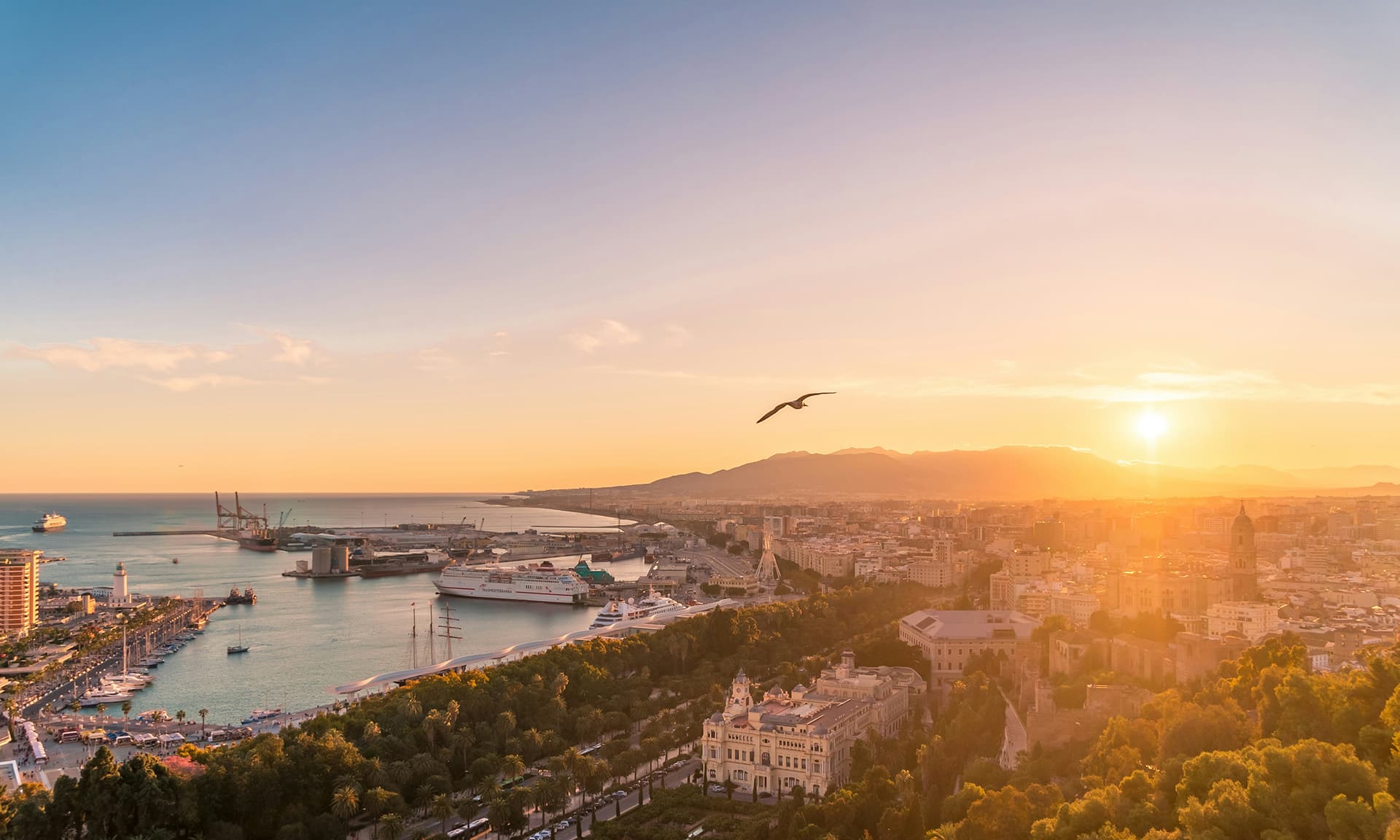
Introduction to Navarre: A Tapestry of Landscapes and Cultures
Located in the northern part of Spain, Navarre is a region that boasts a stunning variety of landscapes and a rich cultural heritage. From the rugged peaks of the Pyrenees to the lush valleys and rolling hills, Navarre offers a unique blend of natural beauty and historical significance. This diverse region is not only a feast for the eyes but also a treasure trove of traditions, gastronomy, and experiences waiting to be discovered.
A Land of Contrasts
Navarre is often described as a land of contrasts. The northern part of the region is characterized by its mountainous terrain, with the Pyrenees providing a dramatic backdrop for outdoor activities such as hiking, skiing, and mountain biking. In contrast, the southern part of Navarre features a drier, more arid landscape, known as La Ribera, where vineyards and orchards flourish under the warm sun.
Each area of Navarre has its own unique charm and attractions:
- The Northern Pyrenees: A paradise for nature lovers, offering breathtaking views, dense forests, and a variety of wildlife.
- Baztan Valley: Known for its lush green hills and picturesque villages, this valley is steeped in Basque culture and traditions.
- Roncal Valley: Famous for its artisanal cheese, this valley combines stunning mountain scenery with rich culinary heritage.
- Urbasa and Andía Natural Park: A hiker's dream, featuring dramatic cliffs, tranquil forests, and well-marked trails.
- La Ribera: A region of fertile plains, celebrated for its wines and delicious seasonal produce.
Cultural Richness
Navarre's cultural heritage is as diverse as its landscapes. The region has a rich history that dates back to prehistoric times, influenced by various civilizations, including the Romans, Visigoths, and Moors. This historical tapestry is evident in the architecture, traditions, and festivals that characterize the region.
One of the most significant historical landmarks is the Castle of Javier, a stunning fortress that dates back to the 10th century and is the birthplace of Saint Francis Xavier, one of the founders of the Jesuit order. Another notable site is the Monastery of Leyre, a beautiful Romanesque structure that houses the tomb of the first King of Navarre.
Festivals and Traditions
Navarre is also known for its vibrant festivals that celebrate its rich cultural heritage. The most famous of these is the San Fermín festival, held annually in Pamplona. This week-long celebration features the iconic running of the bulls, traditional music, and local gastronomy, attracting visitors from around the world.
Throughout the year, various local festivals are held, showcasing traditional dances, music, and culinary delights. Participating in these events offers a unique opportunity to immerse yourself in the local culture and experience the warmth of Navarre's people.
A Gastronomic Paradise
Food lovers will find Navarre to be a gastronomic paradise. The region's diverse landscapes contribute to a rich variety of local produce, from fresh vegetables and fruits to high-quality meats and cheeses. Traditional dishes such as pimientos del piquillo (roasted red peppers), chistorra (a type of sausage), and cordero al chilindrón (lamb stew) highlight the region's culinary excellence.
Wine enthusiasts will also appreciate Navarre's wine scene, particularly the DO Navarra wine region, which produces a range of excellent wines, including reds, whites, and rosés. Visiting local wineries for tastings and tours is a must for anyone looking to delve deeper into the region's flavors.
Conclusion
Navarre is a region that captivates with its stunning landscapes, rich cultural heritage, and vibrant traditions. Whether you're an outdoor enthusiast, a history buff, or a food lover, Navarre offers something for everyone. As you embark on your journey through this unique part of Spain, prepare to be enchanted by its beauty and the warmth of its people.
Starting Point: Pamplona - The Heart of Navarre
As the capital of Navarre, Pamplona is a city steeped in history and culture, making it the perfect starting point for your journey through this diverse region. Known worldwide for the annual San Fermín festival and its famous running of the bulls, Pamplona offers visitors a rich tapestry of experiences ranging from its historic architecture to its vibrant culinary scene.
Exploring the Historic Center
The heart of Pamplona is its historic center, where you can wander through narrow streets lined with charming buildings that reflect the city’s medieval past. Key highlights include:
- Plaza del Castillo: This lively square is the city's social hub, surrounded by cafes and restaurants, making it an ideal spot to relax and enjoy a coffee while people-watching.
- Cathedral of Santa María la Real: A stunning example of Gothic architecture, this cathedral features a beautiful cloister and an impressive altarpiece. Don’t miss the opportunity to climb the tower for panoramic views of the city.
- Citadel of Pamplona: A star-shaped fortress dating back to the 16th century, the Citadel is surrounded by a picturesque park, perfect for a leisurely stroll or a picnic.
Cultural Highlights
Pamplona is not just about its historical sites; it is also a city rich in culture. Throughout the year, various events and festivals take place, showcasing local traditions and arts. Here are some cultural highlights to consider:
- San Fermín Festival: Taking place every July, this world-famous event attracts thousands of visitors who come to witness the thrilling running of the bulls and enjoy a week filled with music, dance, and traditional festivities.
- Pamplona's Jazz Festival: Held in July, this festival features international jazz artists and local talent, providing a lively atmosphere in the city’s streets and venues.
- Local Art Galleries: Explore contemporary and traditional art at various galleries scattered throughout the city, including the Centro de Arte Contemporáneo de Huarte, which showcases innovative works by local artists.
Culinary Delights
No visit to Pamplona would be complete without indulging in its culinary offerings. The city boasts a vibrant food scene that ranges from traditional Basque cuisine to modern gastronomic innovations. Here are some must-try dishes:
- Pintxos: These small snacks are a staple of Basque cuisine. Head to local bars to sample a variety of pintxos, often served on skewers or bread, paired with a glass of local wine.
- Chistorra: A type of sausage that is a regional specialty, often enjoyed grilled or as part of a pintxo.
- Estofado de Toro: A hearty bull stew that reflects the region's culinary traditions, perfect for warming up after a day of exploration.
Outdoor Activities and Parks
Pamplona is not only a city of culture and history but also a gateway to outdoor adventures. The surrounding landscapes offer numerous opportunities for hiking, cycling, and enjoying nature. Some notable outdoor spots include:
- Parque de la Taconera: This beautiful park features lush gardens, fountains, and a small animal reserve, providing a serene escape from the city's hustle and bustle.
- Running Trails: The city is crisscrossed with scenic running and walking trails, including the path along the Arga River, perfect for those looking to stay active during their visit.
Getting Around Pamplona
Pamplona is a compact city, making it easy to explore on foot. However, public transportation is also available, including buses that connect various neighborhoods. For those wishing to venture further afield, consider renting a bicycle or using ride-sharing services.
In summary, Pamplona serves as an excellent starting point for your journey through Navarre. With its rich history, vibrant culture, and delicious cuisine, this city invites you to immerse yourself in the heart of the region before setting off to explore the breathtaking landscapes that await you.
The Northern Pyrenees: Nature's Playground
As you journey through Navarre, the Northern Pyrenees stand out as a breathtaking natural wonder, offering a diverse playground for outdoor enthusiasts. With its majestic peaks, lush valleys, and pristine lakes, this region is a haven for hikers, climbers, and nature lovers alike. Whether you seek adrenaline-pumping adventures or tranquil moments in nature, the Northern Pyrenees has something for everyone.
Stunning Landscapes and Biodiversity
The Northern Pyrenees are characterized by their dramatic landscapes, ranging from towering mountains to verdant valleys. The region is home to several protected areas, including the Ordesa y Monte Perdido National Park, a UNESCO World Heritage site known for its stunning gorges, waterfalls, and diverse flora and fauna. Here, you can witness the unique biodiversity that thrives in this mountainous environment, including endemic species of plants and animals.
Hiking Trails for All Levels
Hiking is one of the best ways to explore the Northern Pyrenees. The area offers a variety of trails that cater to different skill levels:
- Easy Trails: For families and casual hikers, the Sendero de los Miradores offers a gentle walk with panoramic views of the valleys and peaks, making it perfect for a leisurely day out.
- Moderate Trails: The Ruta del Cañón de Ordesa provides a more challenging experience with stunning views of the Ordesa Canyon, featuring impressive cliffs and cascading waterfalls.
- Advanced Trails: For seasoned hikers, the Monte Perdido ascent is a must. This challenging trek takes you to one of the highest peaks in the Pyrenees, rewarding you with breathtaking vistas at the summit.
Adventure Activities
Beyond hiking, the Northern Pyrenees offer a range of adventure activities that will get your adrenaline pumping:
- Rock Climbing: The limestone cliffs in the region are perfect for rock climbing, with numerous routes available for both beginners and experts.
- Mountain Biking: Explore the rugged terrain on two wheels. There are several designated mountain biking trails that cater to various skill levels.
- Rafting: The rivers in the Pyrenees provide thrilling white-water rafting experiences, ideal for those seeking a rush on the water.
- Skiing: In winter, the Northern Pyrenees transform into a snowy wonderland, with ski resorts such as Navacerrada and Formigal offering excellent slopes for skiing and snowboarding.
Cultural Interactions
While the natural beauty of the Northern Pyrenees is undoubtedly captivating, the region is also rich in culture and tradition. As you explore, take the time to visit small villages like Javier and Isaba, where you can experience the local way of life. Here, you can enjoy:
- Traditional Cuisine: Savor local dishes such as pochas (white beans) and chuletón (steak), often prepared with ingredients sourced from the surrounding mountains.
- Festivals: Participate in local festivals that celebrate the region’s cultural heritage, with events featuring traditional music, dance, and artisanal crafts.
Practical Tips for Exploring the Northern Pyrenees
When planning your adventure in the Northern Pyrenees, consider the following tips to enhance your experience:
- Best Time to Visit: The ideal seasons for outdoor activities are spring and early autumn when the weather is mild and the landscapes are vibrant.
- Gear Up: Ensure you have appropriate hiking gear, including sturdy boots, weather-appropriate clothing, and plenty of water.
- Respect Nature: Follow the principles of Leave No Trace to preserve the natural beauty of the Pyrenees for future generations.
In summary, the Northern Pyrenees is a breathtaking destination that offers a wealth of outdoor activities, stunning landscapes, and cultural experiences. Whether you’re hiking through its majestic trails or immersing yourself in the local traditions, this region promises an unforgettable journey through one of Spain's most beautiful natural playgrounds.
Exploring Baztan Valley: A Hidden Gem
Nestled in the northern reaches of Navarre, the Baztan Valley is a captivating destination that offers a unique blend of lush landscapes, charming villages, and rich Basque culture. Often overshadowed by more popular tourist spots, this hidden gem is a paradise for those looking to escape the hustle and bustle of the more commercialized areas. With its stunning scenery, traditional architecture, and vibrant local customs, Baztan Valley invites visitors to immerse themselves in a world of natural beauty and cultural richness.
Getting to Baztan Valley
Accessing Baztan Valley is relatively straightforward, making it an ideal day trip or a longer stay for travelers exploring Navarre. The valley is situated about 40 kilometers from Pamplona, and reaching it by car is the most convenient option. The drive takes approximately 45 minutes, with scenic views along the way. Alternatively, public transport options, including buses, connect Pamplona to the valley, although schedules may be limited, so it’s advisable to check in advance.
Stunning Landscapes
The Baztan Valley is characterized by its verdant hills, rolling meadows, and lush forests. The landscape is dotted with rivers and streams that enhance its natural beauty, making it a perfect spot for outdoor enthusiasts. Here are some highlights:
- Hiking Trails: Numerous trails wind through the valley, offering varying levels of difficulty. Popular routes include the Ruta de los Batanes, which takes you along the river and past traditional water mills, and the Sendero de Aritza, which features breathtaking panoramic views of the valley.
- Flora and Fauna: The valley is home to diverse wildlife, including deer, wild boar, and various bird species. Nature lovers will appreciate the rich biodiversity, especially in the nearby Biotope of the River Baztan, a protected area ideal for birdwatching.
Charming Villages
The Baztan Valley is dotted with picturesque villages that showcase traditional Basque architecture and hospitality. Here are some must-visit villages:
- Elizondo: The capital of the Baztan Valley, Elizondo is known for its stunning stone buildings, vibrant local markets, and the beautiful Baztan River that flows through it. Don’t miss the Church of Santiago, a beautiful example of Gothic architecture.
- Arizkun: This quaint village is famous for its traditional Basque houses adorned with wooden balconies and flowers. The Basque House Museum provides insight into the region's history and culture.
- Erratzu: Known for its tranquil atmosphere, Erratzu features a beautiful church and is an excellent starting point for hiking trails in the surrounding hills.
Cultural Experiences
The cultural richness of Baztan Valley is evident in its festivals, gastronomy, and artisanal crafts. Here are a few experiences not to miss:
- Local Festivals: The valley hosts various traditional festivals throughout the year, including the Fiesta de San Juan in June, where locals celebrate with music, dance, and food.
- Gastronomy: The region is renowned for its culinary delights, particularly its cheese, cured meats, and local pastries. Be sure to try Idiazabal cheese, a semi-hard cheese made from sheep's milk, and Pastel Vasco, a delicious pastry filled with custard.
- Artisan Crafts: Explore local shops and markets to find unique handmade crafts, including pottery, textiles, and traditional Basque souvenirs. Many artisans are happy to share their techniques and stories, providing a deeper understanding of the local culture.
Best Time to Visit
The best time to explore Baztan Valley is during the spring (April to June) and autumn (September to October) months when the weather is mild, and the landscapes are vibrant with blooming flowers or autumn foliage. Summer can be warm, while winter may bring snow, transforming the valley into a winter wonderland.
Final Thoughts
With its breathtaking landscapes, charming villages, and rich cultural heritage, Baztan Valley is a hidden gem that should not be missed on your journey through Navarre. Whether you're seeking outdoor adventures, culinary delights, or a glimpse into traditional Basque life, this enchanting valley offers something for every traveler. So pack your bags, hit the road, and discover the unparalleled beauty of Baztan Valley!
Roncal Valley: A Journey Through Tradition
Nestled in the heart of the Pyrenees, Roncal Valley is a captivating destination that offers travelers a glimpse into the rich traditions and breathtaking landscapes of Navarre. Renowned for its artisanal cheese and stunning mountain scenery, this valley is a must-visit for those seeking an authentic experience away from the bustling tourist trails.
Discovering the Valley
Roncal Valley, or Valle de Roncal, is bordered by majestic peaks that rise sharply against the skyline, creating a dramatic backdrop for your adventures. The valley is home to several picturesque villages, each with its own unique character and charm. Among these, Roncal, Isaba, and Garde stand out for their traditional architecture and vibrant local culture.
Culinary Delights: The Famous Roncal Cheese
One of the valley's most celebrated products is Queso Roncal, a sheep's milk cheese that has been produced in the region for centuries. This cheese is characterized by its firm texture and nutty flavor, making it a favorite among cheese lovers. The production of Roncal cheese is a time-honored tradition, and many local farms still use traditional methods to craft this delicacy.
- Visit a Cheese Factory: Engage with local cheesemakers to learn about the cheese production process. Many farms offer guided tours and tastings, providing an opportunity to sample fresh Roncal cheese paired with local wines.
- Cheese Festivals: If your visit coincides with local festivals, don’t miss the chance to taste various cheese varieties and participate in culinary workshops.
Outdoor Activities: Nature at Its Best
For outdoor enthusiasts, Roncal Valley is a paradise. The region offers a plethora of hiking trails, ranging from easy walks to challenging treks. The GR-11 Trail, which traverses the Pyrenees, passes through the valley, providing stunning views of the surrounding mountains.
- Hiking: Explore routes such as the hike to Ibón de Estanés, a beautiful glacial lake surrounded by peaks, perfect for a picnic or a refreshing swim.
- Mountain Biking: The valley's diverse terrain also makes it ideal for mountain biking, with trails suitable for all skill levels.
- Skiing: In winter, the nearby La Pierre St. Martin ski resort offers excellent skiing opportunities, attracting snow enthusiasts from across the region.
Cultural Heritage: Traditions and Festivals
Roncal Valley is steeped in culture, with a rich tapestry of traditions that are celebrated throughout the year. The valley's villages often host festivals that highlight local customs, music, and dance.
- San Sebastián Day: Celebrated in January, this festival features traditional music, dance, and culinary delights, including, of course, Roncal cheese.
- Folk Festivals: Experience the vibrant folklore of the region with performances showcasing traditional Basque music and dance.
Exploring the Villages
The villages of Roncal Valley are worth exploring for their unique architecture and local charm. Here are a few highlights:
- Roncal: The valley's namesake village is known for its historic buildings and the Church of San Esteban, a beautiful example of local architecture.
- Isaba: A picturesque village with narrow streets and stone houses, Isaba is also a great starting point for hiking adventures.
- Garde: Famous for its stunning views and proximity to the Natural Park of the Pyrenees, Garde is perfect for nature lovers.
Practical Tips for Visiting Roncal Valley
When planning your trip to Roncal Valley, consider the following tips to enhance your experience:
- Best Time to Visit: Late spring and early autumn are ideal for hiking and outdoor activities, while winter offers excellent skiing opportunities.
- Getting There: The valley is accessible by car, with well-maintained roads connecting the villages. Public transport options may be limited, so renting a vehicle is recommended.
- Local Etiquette: Embrace the local culture by greeting residents with a friendly "Kaixo" (Hello in Basque) and try to learn a few basic phrases in Spanish or Basque.
With its stunning landscapes, rich traditions, and culinary delights, Roncal Valley promises an unforgettable experience for every traveler. Whether you're hiking through its breathtaking scenery or savoring the region's famous cheese, this hidden gem of Navarre is sure to leave a lasting impression.
Urbasa and Andía Natural Park: A Hiker's Paradise
Nestled in the heart of Navarre, Urbasa and Andía Natural Park is a breathtaking expanse of nature that offers a perfect escape for hikers and outdoor enthusiasts. With its dramatic cliffs, lush forests, and diverse wildlife, this park is an ideal destination for those looking to immerse themselves in the natural beauty of Spain's northern landscapes.
Getting to Urbasa and Andía Natural Park
Accessing Urbasa and Andía is relatively straightforward. The park is located approximately 40 kilometers from Pamplona, making it an easy day trip from the city. The most convenient way to reach the park is by car, allowing you the flexibility to explore various trails and viewpoints at your own pace. Public transport options are limited, so having a vehicle is recommended.
Park Highlights
The park covers an area of over 20,000 hectares, encompassing two distinct yet interconnected regions: Urbasa and Andía. Here are some of the standout features that make this park a must-visit:
- Stunning Cliffs: The cliffs of Urbasa offer breathtaking views over the surrounding valleys. The sheer drop-offs provide excellent vantage points for photography and wildlife observation.
- Lush Forests: The park is home to dense beech and fir forests, which provide a rich habitat for various flora and fauna. Walking through these woods feels like stepping into a fairy tale.
- Unique Geological Formations: The area is characterized by unique geological features, including karst formations and deep ravines that tell the story of the region's geological history.
- Diverse Wildlife: Keep your eyes peeled for the park's wildlife, including deer, wild boar, and numerous bird species. Birdwatchers will find plenty of opportunities to spot eagles and other raptors soaring overhead.
Hiking Trails
Urbasa and Andía Natural Park boasts a variety of hiking trails suitable for all levels of experience. Here are some recommended routes:
- Sendero de los Acantilados: This trail takes you along the stunning cliffs, offering panoramic views of the valleys below. The hike is about 10 kilometers long and is suitable for intermediate hikers.
- Ruta de los Bosques: A gentler, family-friendly trail that winds through the enchanting beech forests. This route is approximately 5 kilometers and is perfect for a leisurely stroll.
- Circular de Andía: For those seeking a more challenging experience, this circular route covers around 16 kilometers, taking you through diverse landscapes and offering breathtaking views at every turn.
What to Bring
When planning your hiking adventure in Urbasa and Andía, it's essential to be well-prepared. Here are some items to consider bringing:
- Sturdy Hiking Boots: The terrain can be rugged, so a good pair of hiking boots will provide the support and traction you need.
- Water and Snacks: Stay hydrated and energized by carrying enough water and some snacks for the trail.
- Weather-Appropriate Clothing: The weather can change rapidly in the mountains, so dress in layers and be prepared for rain.
- Map and Compass: While trails are generally well-marked, having a map and compass can be helpful, especially if you plan to explore off the beaten path.
Best Times to Visit
The best times to visit Urbasa and Andía Natural Park are during the spring (April to June) and autumn (September to November) months. During these seasons, the weather is pleasant, and the landscapes are particularly beautiful, with wildflowers blooming in spring and vibrant autumn foliage. Summer can be hot, while winter may bring snow, making some trails inaccessible.
Local Amenities
While the park is primarily focused on nature, there are some amenities nearby. You can find small villages around the park, such as Urroz Villa and Garde, where you can enjoy local cuisine and hospitality. Be sure to try traditional Navarre dishes, such as pimientos del piquillo and pochas, to complete your outdoor experience.
Urbasa and Andía Natural Park is more than just a hiking destination; it is a sanctuary for nature lovers and adventure seekers alike. Whether you're trekking through ancient forests or standing atop majestic cliffs, the park offers an unforgettable experience that showcases the stunning natural beauty of Navarre.
La Ribera: Wine and Gastronomy in the South
La Ribera, the southern region of Navarre, is a culinary haven and a wine lover's paradise. Stretching along the Ebro River, this area is renowned for its rich agricultural land, which produces some of the finest wines and gastronomic delights in Spain. If you're looking to indulge in exquisite flavors and experience the heart of Navarre's culinary culture, La Ribera is your destination.
Wine Tourism in La Ribera
The wine culture in La Ribera is deeply rooted in history, with vineyards dating back to Roman times. The region is primarily known for its Tempranillo and Garnacha wines, which thrive in the warm climate and diverse soil types.
- DO Navarra: The Denomination of Origin (DO) Navarra covers various areas, but La Ribera is particularly famous for its red wines. The combination of traditional and modern winemaking techniques results in a wide array of flavors.
- Wine Tours: Many wineries offer guided tours, where you can learn about the winemaking process, stroll through the vineyards, and enjoy tastings. Don't miss the opportunity to sample local favorites like Rosado (rosé) wines, which are perfect for pairing with the region's cuisine.
- Harvest Festivals: If you visit during the grape harvest season (late September to early October), you may have the chance to participate in local harvest festivals, which celebrate the bounty of the land with food, music, and traditional activities.
Culinary Delights of La Ribera
La Ribera is not just about wine; it is also a gastronomic treasure trove. The region's cuisine is characterized by its use of fresh, seasonal ingredients, many of which are sourced directly from local farms. Here are some must-try dishes:
- Asado de Cordero: This traditional dish features slow-roasted lamb, often seasoned with local herbs. It's a staple in many restaurants and is typically served with roasted potatoes and vegetables.
- Pimientos del Piquillo: These sweet red peppers, often stuffed with cheese or meat, are a popular appetizer. They are usually grilled or roasted and drizzled with olive oil.
- Espárragos de Navarra: Navarre is famous for its white asparagus, which is harvested in spring. Served with a drizzle of olive oil or as part of a salad, it's a true delicacy.
- Chistorra: This thin, spicy sausage is a regional favorite, often grilled and served with bread or as part of a tapas spread.
Dining Experiences
When it comes to dining in La Ribera, you have a plethora of options ranging from traditional taverns to upscale restaurants. Here are some recommendations:
- Casa de la Cultura: Located in Tudela, this restaurant offers a modern twist on traditional Navarrese cuisine, with an emphasis on local ingredients.
- Bar Rincón de Alesón: A cozy spot in the heart of Tudela, this bar is known for its tapas and local wines. Try the chistorra and pair it with a glass of local rosé.
- Restaurante El Molino: Situated near the Ebro River, this restaurant specializes in seasonal dishes and has an extensive wine list featuring local wines.
Markets and Food Festivals
For a true taste of La Ribera, visit one of the local markets or food festivals:
- Tudela Market: This vibrant market takes place every Saturday and is a great place to find fresh produce, local cheeses, and artisan products. It's an excellent opportunity to interact with local vendors and sample regional specialties.
- Tapas Festival: Held annually in various towns, this festival showcases local chefs who create innovative tapas dishes paired with the best wines from La Ribera.
La Ribera offers a unique blend of wine tourism and culinary exploration that is sure to delight any traveler. Whether you're indulging in a glass of local wine, savoring traditional dishes, or exploring the lush vineyards, this region of Navarre promises a gastronomic journey like no other.
Cultural Heritage: Monasteries and Fortresses
Navarre is a region steeped in history, where ancient monasteries and formidable fortresses stand as testaments to its rich cultural heritage. These architectural marvels not only narrate the tales of the past but also offer a glimpse into the spiritual and military significance that shaped this vibrant region. As you traverse through Navarre, be sure to include these remarkable sites in your itinerary.
Monasteries: Sanctuaries of Spirituality
Navarre is home to several stunning monasteries, each with its unique history and architectural style. Here are some must-visit monasteries:
- Monastery of Leyre: Located near the town of Yesa, the Monastery of Leyre is one of the most important religious sites in Navarre. This Romanesque structure dates back to the 11th century and is famous for its stunning cloisters and the beautiful altarpiece. The monastery is also the burial site of the first kings of Navarre, making it a significant historical landmark.
- Monastery of Irache: Nestled in the foothills of the Pyrenees, the Monastery of Irache is renowned for its impressive wine fountain, where pilgrims can taste local wine for free. The monastery, founded in the 12th century, features a beautiful Gothic church and offers a peaceful atmosphere perfect for reflection.
- Monastery of San Salvador de Leyre: This ancient monastery, located on a hill overlooking the valley of the River Onsella, is a blend of Romanesque and Gothic architecture. The complex includes a church, cloisters, and various chapels, making it a serene spot for visitors interested in spirituality and history.
Fortresses: Guardians of the Past
Navarre's strategic location has led to the construction of numerous fortresses throughout its history. These impressive structures served as military strongholds and are now popular tourist attractions:
- Castle of Javier: This iconic fortress, situated near the town of Javier, is a stunning example of medieval architecture. Built in the 10th century, it is the birthplace of Saint Francis Xavier and features a fascinating museum detailing the life of the saint. The castle's imposing towers and well-preserved walls offer panoramic views of the surrounding landscape.
- Fortress of Pamplona: The city of Pamplona itself is surrounded by a series of fortifications that date back to the 16th century. The most notable structure is the Citadel, a star-shaped fortress that was once a military base. Today, it serves as a public park and cultural space, where visitors can explore its bastions and enjoy outdoor activities.
- Castle of Olite: Often referred to as the "fairy-tale castle," the Castle of Olite is one of the most impressive medieval castles in Spain. Dating back to the 13th century, it boasts intricate Gothic architecture and beautifully landscaped gardens. The castle's towers and halls are open to the public, offering a fascinating glimpse into the life of Navarre's former kings.
Exploring the Heritage
As you explore these monasteries and fortresses, consider joining guided tours that often provide deeper insights into their historical significance and architectural features. Many of these sites also host cultural events, exhibitions, and concerts, allowing visitors to experience the living heritage of Navarre.
Practical Tips for Visiting
When planning your visit to Navarre's monasteries and fortresses, keep the following tips in mind:
- Opening Hours: Check the opening hours of each site in advance, as they may vary seasonally. Some monasteries may have restricted access during religious services.
- Dress Code: As many of these sites are active places of worship, dress modestly when visiting monasteries. It is advisable to cover shoulders and knees.
- Guided Tours: Look for guided tours that provide historical context and stories behind these sites. Many offer multilingual options for international visitors.
- Photography: While photography is often allowed, be respectful of any restrictions, particularly during religious ceremonies.
With their stunning architecture and rich histories, the monasteries and fortresses of Navarre are not to be missed. They provide a unique opportunity to connect with the region's past and appreciate the cultural tapestry that defines this remarkable area of Spain.
Festivals and Events: Experience Navarre's Vibrant Culture
Navarre is a region steeped in rich traditions and vibrant cultural expressions, making it a fantastic destination for travelers seeking to immerse themselves in local customs and festivities. Throughout the year, various festivals celebrate the region's history, gastronomy, and artistic heritage, offering visitors a unique glimpse into the soul of Navarre.
San Fermín Festival: The Most Famous Celebration
Perhaps the most iconic event in Navarre is the San Fermín Festival, held annually from July 6 to 14 in the capital city of Pamplona. This world-renowned festival attracts thousands of visitors eager to experience its famous running of the bulls, vibrant parades, and lively atmosphere. The festival honors San Fermín, the patron saint of Navarre, and features a mix of religious ceremonies and secular festivities.
- Running of the Bulls: The highlight of the festival, the running of the bulls takes place every morning at 8 AM, where brave participants dash through the streets alongside the bulls, culminating at the bullring.
- Daily Events: Each day of the festival is filled with music, dancing, and cultural performances, including traditional Basque dances and live concerts.
- Fireworks and Parades: Evenings are marked by stunning fireworks displays and colorful parades featuring traditional costumes and lively music.
Other Notable Festivals
While San Fermín is the crown jewel of Navarre’s festival calendar, there are numerous other events worth experiencing:
1. Fiestas de la Virgen del Castillo
Held in the town of La Cendea de Olza during the first week of September, this festival celebrates the Virgin of the Castle. The event features religious processions, traditional music, and local culinary delights, creating a warm and festive atmosphere.
2. Semana Santa (Holy Week)
Throughout Navarre, Semana Santa is observed with great reverence. In towns like Pamplona and Tudela, solemn processions take place, showcasing elaborate religious floats and traditional attire. The atmosphere is both reflective and celebratory, offering a unique insight into the region's spiritual heritage.
3. Carnival
Carnival celebrations in Navarre are characterized by vibrant costumes, parades, and lively street parties. The festivities typically take place in February, with towns like Pamplona and Tudela hosting some of the most colorful events. Expect to see creative costumes, music, and dance as locals embrace the spirit of Carnival.
4. Day of Navarre
Celebrated on December 3rd, this day honors the history and culture of Navarre. Various events, including concerts, exhibitions, and cultural activities, take place across the region, showcasing local talent and traditions.
Gastronomic Festivals
Food is an integral part of Navarre's cultural identity, and several festivals celebrate the region's rich culinary heritage:
- Navarre Gastronomy Festival: Typically held in the fall, this festival highlights local products and dishes, featuring tastings, cooking demonstrations, and workshops led by renowned chefs.
- Asparagus Festival in Tudela: Celebrated in April, this festival pays homage to the famous white asparagus of Tudela. Visitors can enjoy tastings, cooking contests, and local market stalls.
Participating in Navarre's Festivals
Joining in the festivities is a fantastic way to connect with locals and experience the region's culture firsthand. Here are some tips for participating in Navarre's festivals:
- Respect Local Customs: Each festival has its unique traditions and etiquette. Familiarize yourself with the customs to fully appreciate the experience.
- Try Local Cuisine: Festivals often feature traditional dishes and local delicacies. Don’t miss the opportunity to taste the region's culinary offerings.
- Engage with Locals: Festivals are a great time to meet locals. Engage in conversations, learn about their traditions, and share in their celebrations.
Navarre's festivals and events provide a vibrant backdrop to your travels, allowing you to delve deeper into the region's cultural heritage. Whether you're running with the bulls in Pamplona or savoring local delicacies at a gastronomic festival, these experiences will leave lasting memories of your journey through this enchanting region of Spain.
Practical Tips for Your Route Through Navarre
As you embark on your journey through the stunning region of Navarre, having a few practical tips in your back pocket will ensure a smooth and enjoyable experience. From the best times to visit and transportation options to local etiquette, these insights will help you navigate your way through this captivating part of Spain.
Best Times to Visit Navarre
Navarre's diverse landscapes and climate make it a year-round destination, but the best time to visit largely depends on your interests:
- Spring (March to May): This season is ideal for nature lovers, as the countryside bursts into bloom. Temperatures are mild, making it perfect for hiking and outdoor activities.
- Summer (June to August): The summer months are vibrant, especially in Pamplona during the famous San Fermín festival in July. However, be prepared for higher temperatures, particularly in the southern regions.
- Autumn (September to November): Autumn offers a beautiful display of colors, especially in the forests and vineyards. It's also a great time for wine tourism in La Ribera.
- Winter (December to February): If you enjoy winter sports, the northern Pyrenees offer skiing and snowboarding opportunities. Additionally, the festive atmosphere during Christmas is a delight.
Getting Around Navarre
Transportation options in Navarre are varied and cater to different preferences:
- By Car: Renting a car is one of the best ways to explore Navarre, as it provides the flexibility to visit remote villages and natural parks at your own pace. The roads are generally well-maintained, and driving through the picturesque landscapes is a pleasure.
- Public Transport: Navarre has a decent public transport network, including buses that connect major cities and towns. The Transportes de Navarra website provides schedules and routes for planning your journey.
- Biking: For the more adventurous, biking is a fantastic way to explore the scenic routes, particularly in the Baztan Valley and around Pamplona. Many towns offer bike rentals.
Local Etiquette and Customs
Understanding local customs will enrich your experience in Navarre and help you connect with its people:
- Greetings: A warm greeting is customary. A simple “Hola” (Hello) or “Buenos días” (Good morning) is appreciated. A handshake is common when meeting someone new.
- Dining Etiquette: Meals are an important social aspect in Navarre. If invited to a local’s home, it’s polite to bring a small gift, such as wine or pastries. When dining out, it’s common to share dishes, so don’t hesitate to try a few tapas!
- Language: While Spanish is widely spoken, some locals speak Basque (Euskara). Learning a few phrases in either language can go a long way in building rapport.
- Siesta Time: Many shops and restaurants may close in the afternoon for a siesta, typically from 2 PM to 5 PM. Plan your activities accordingly!
Safety Tips
Navarre is generally a safe region for travelers, but it’s always good to be cautious:
- Emergency Numbers: Familiarize yourself with local emergency numbers. In Spain, the general emergency number is 112.
- Personal Belongings: As in any tourist destination, keep an eye on your belongings, especially in crowded areas.
Local Cuisine to Try
No visit to Navarre would be complete without savoring its culinary delights. Here are a few must-try dishes:
- Pimientos del Piquillo: These roasted red peppers are a local specialty, often stuffed with various fillings.
- Chistorra: A type of sausage unique to Navarre, usually grilled and served as tapas.
- Navarre Wines: Don’t miss the opportunity to taste the region's wines, particularly those from the DO Navarra designation.
By keeping these practical tips in mind, you’ll be well-prepared to make the most of your journey through Navarre. Whether you’re hiking in the Pyrenees, enjoying the local cuisine, or participating in vibrant festivals, this region promises a memorable experience filled with culture and natural beauty.