
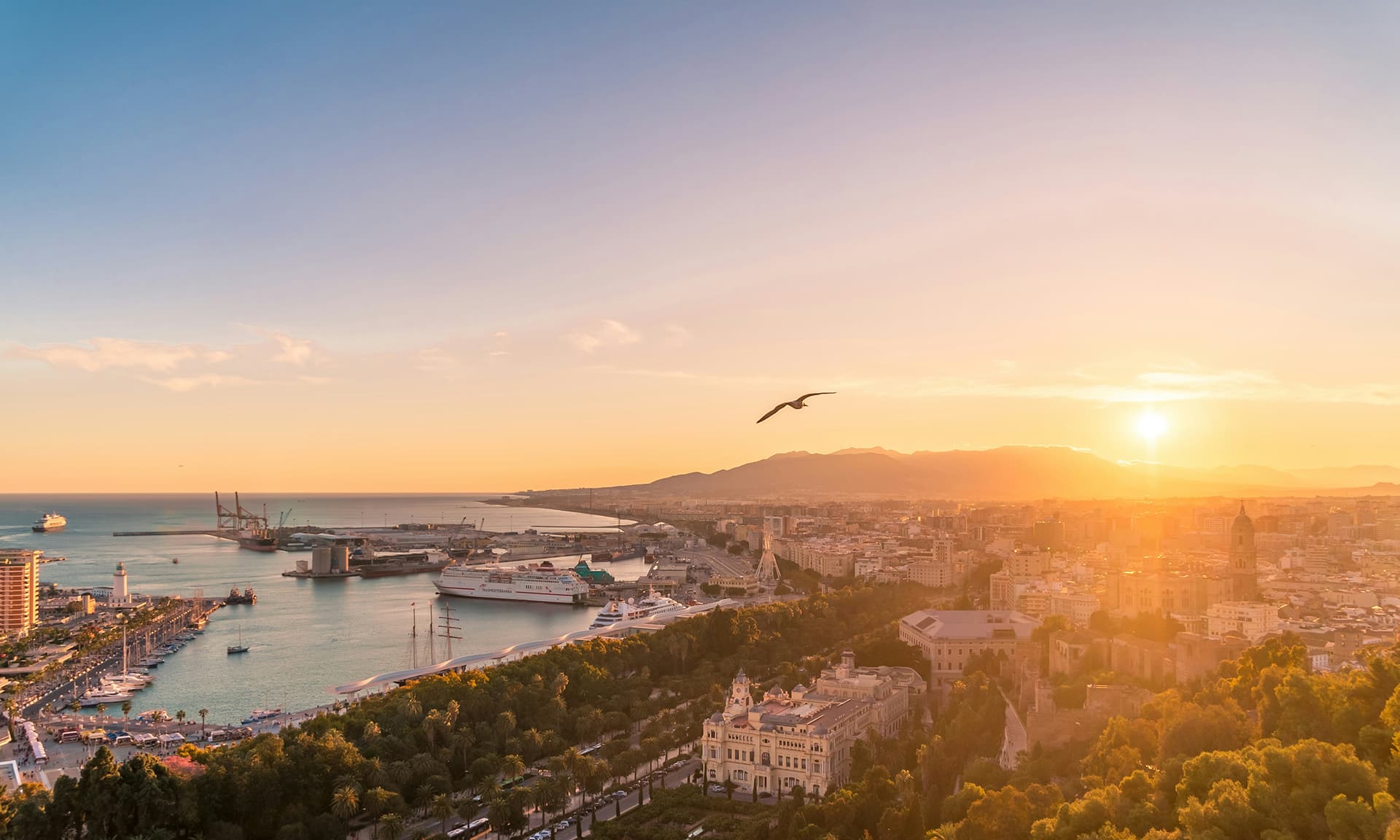
Exploring Ceuta: A Blend of Cultures and History
Ceuta, a small Spanish enclave located on the northern coast of Africa, is a unique fusion of cultures, histories, and landscapes. It serves as a bridge between Europe and Africa, boasting a rich tapestry woven from its diverse influences. From its historical sites to its vibrant neighborhoods, exploring Ceuta promises an enriching experience for every traveler.
A Historical Overview
Ceuta's history dates back over 2,500 years, with influences from the Phoenicians, Romans, and Moors, each leaving their mark on the city. The strategic location of Ceuta has made it a coveted prize throughout history, leading to its occupation by various powers. Today, it stands as a testament to this rich heritage, showcasing a blend of architectural styles and cultural traditions.
Must-Visit Historical Sites
- The Royal Walls of Ceuta: These impressive fortifications date back to the 16th century and are a UNESCO World Heritage site. Visitors can stroll along the walls and enjoy panoramic views of the city and the Mediterranean Sea.
- The Cathedral of St. Mary of the Assumption: Built on the site of a former mosque, this cathedral is a beautiful example of Gothic and Baroque architecture. Its intricate altar and stunning stained-glass windows are must-see highlights.
- The Fortress of Hacho: Perched atop a hill, this fortress offers not only a glimpse into Ceuta's military past but also breathtaking views of the surrounding area. A hike to the fortress is well worth the effort.
- Plaza de Africa: This central square is the heart of Ceuta, surrounded by iconic buildings and bustling cafes. It’s an excellent place to soak in the local atmosphere and enjoy a cup of coffee.
Vibrant Neighborhoods
Exploring Ceuta's neighborhoods is like stepping into different worlds, each with its own character and charm. The city's layout reflects its multicultural heritage, with influences from both Spanish and Moroccan cultures.
- La Marina: This waterfront area is known for its lively promenade lined with palm trees, shops, and restaurants. It's a great spot to enjoy fresh seafood while overlooking the harbor.
- El Príncipe: A historically significant neighborhood, El Príncipe is characterized by its narrow streets and traditional architecture. Here, visitors can experience the local lifestyle and perhaps catch a glimpse of a traditional festival.
- San Antonio: This area is known for its vibrant markets and local shops. It’s an excellent place to shop for souvenirs, from handmade crafts to local delicacies.
Cultural Experiences
Ceuta is not only rich in history but also in cultural experiences. The city hosts various festivals throughout the year that reflect its diverse heritage. The Fiestas Patronales, celebrating the patron saint of Ceuta, is a lively event filled with parades, music, and traditional dances. Additionally, the Moroccan Festival showcases the city’s ties to its North African neighbor, featuring food, music, and art.
Natural Beauty
Beyond its cultural and historical allure, Ceuta is also blessed with stunning natural landscapes. The Ceuta Nature Reserve offers hiking trails with breathtaking views of the Mediterranean and the surrounding mountains. The beaches, such as Playa de la Ribera and Playa de los Cangrejos, provide a perfect escape for sunbathing and swimming.
Getting Around Ceuta
Ceuta is a compact city, making it easy to explore on foot. However, public transport options, including buses and taxis, are also available for those who prefer not to walk. Renting a bicycle is another popular way to navigate the city, allowing visitors to enjoy its scenic routes at a leisurely pace.
In summary, Ceuta is a captivating destination that offers a unique blend of cultures and histories. From its historical landmarks and vibrant neighborhoods to its rich cultural experiences and stunning natural beauty, exploring Ceuta is sure to leave a lasting impression on every traveler. Whether you’re a history buff, a culture enthusiast, or simply looking to relax by the sea, Ceuta has something special to offer.
Top Historical Landmarks in Ceuta
Ceuta, a unique enclave on the northern coast of Africa, is a treasure trove of historical landmarks that reflect its rich cultural heritage and strategic significance. From ancient fortifications to colonial architecture, each site tells a story of the diverse influences that have shaped this remarkable city. Here are some must-visit historical landmarks that you should not miss during your visit to Ceuta.
The Royal Walls of Ceuta
One of the most iconic symbols of Ceuta, the Royal Walls (Murallas Reales) date back to the 16th century and showcase a blend of Renaissance and Moorish architectural styles. These impressive fortifications were built to protect the city from invasions and still stand as a testament to Ceuta's military history.
- Highlights: Visitors can walk along the walls, which offer stunning views of the Mediterranean Sea and the surrounding landscape. Don't miss the opportunity to explore the various towers, such as the Torre de la Almenara and Torre de la Vela, which provide insight into the city's defensive strategies.
- Visiting Hours: Open year-round, but check local schedules for guided tours and events.
Fortress of Hacho
Nestled on the summit of Mount Hacho, the Fortress of Hacho (Fuerte del Hacho) offers not only a glimpse into Ceuta's military past but also breathtaking panoramic views of the Strait of Gibraltar. Originally a military outpost, this fortress played a crucial role during various conflicts, including the Spanish Civil War.
- Highlights: The fortress features remnants of its original structure, including cannons and barracks. The hike to the fortress is invigorating and rewards visitors with stunning vistas of both Ceuta and the neighboring Moroccan coastline.
- Accessibility: While the hike is moderately challenging, it is well worth the effort for history buffs and nature lovers alike.
The Cathedral of St. Mary the Crowned
Located in the heart of Ceuta, the Cathedral of St. Mary the Crowned (Catedral de Santa María la Mayor) is an architectural gem that combines Gothic, Mudejar, and Baroque styles. Originally built as a mosque in the 12th century, the structure was transformed into a cathedral after the Christian Reconquista.
- Highlights: The cathedral's interior is adorned with beautiful altarpieces, chapels, and religious artifacts. Make sure to admire the stunning stained glass windows that depict various biblical scenes, enhancing the spiritual atmosphere of the site.
- Visiting Hours: Open for visitors daily, with specific hours for mass and guided tours.
The Plaza de Africa
The Plaza de Africa is not only a central square in Ceuta but also a historical landmark that features several important buildings, including the Ceuta Museum and the Palace of the Governor. This vibrant square serves as a gathering place for locals and tourists alike, making it a perfect spot to soak in the atmosphere of the city.
- Highlights: Take a moment to relax in the square, surrounded by lush gardens and fountains, and enjoy the view of the various architectural styles that represent Ceuta's diverse history.
- Events: The plaza often hosts cultural events and festivals, showcasing local traditions and crafts.
The Royal Maritime Club
For those interested in maritime history, the Royal Maritime Club (Club Marítimo de Ceuta) is a must-visit. Established in the late 19th century, this club has been a hub for sailors and maritime enthusiasts. The building itself is an example of colonial architecture, and the surrounding marina is filled with boats and yachts.
- Highlights: Visitors can enjoy a meal at the club's restaurant, which offers stunning views of the harbor. The club also hosts sailing events and competitions, making it a lively spot for both locals and visitors.
- Access: While some areas may be restricted to members, visitors can usually access the restaurant and enjoy the views.
Ceuta's historical landmarks offer a fascinating glimpse into its past, showcasing the influences of various cultures that have shaped this unique city. Whether you are a history enthusiast or simply looking to explore the rich heritage of Ceuta, these sites provide ample opportunities to appreciate the city's diverse narrative.
Melilla's Modernist Architecture: A Hidden Gem
Melilla, a small Spanish enclave on the northern coast of Africa, is often overshadowed by its larger counterparts in Spain. However, it boasts a treasure trove of modernist architecture that is both stunning and historically significant. This unique blend of styles reflects the city’s diverse cultural influences, making it a fascinating destination for architecture enthusiasts and casual travelers alike.
The Historical Context
Modernist architecture in Melilla flourished during the late 19th and early 20th centuries, a period marked by economic prosperity and cultural exchange. The city became a melting pot of Spanish, Moroccan, and European influences, which is clearly visible in its architectural landscape. The modernist movement, characterized by innovative designs and the use of new materials, was embraced by local architects who sought to modernize the city while respecting its rich heritage.
Key Modernist Buildings to Visit
When exploring Melilla, several key buildings stand out for their architectural significance and beauty. Here are some must-visit modernist landmarks:
- Casa del Pueblo: This iconic building, designed by architect Francisco Javier de Lema, features intricate details and a stunning façade. Its colorful tiles and decorative elements reflect the vibrant spirit of Melilla.
- Palacio de la Asamblea: An excellent example of modernist architecture, this assembly hall showcases elegant curves and decorative motifs. The structure is not only functional but also serves as a symbol of the city’s political life.
- Hotel Internacional: Once a luxurious hotel, this building combines modernist elements with traditional styles. Its grand entrance and ornate balconies make it a favorite spot for photography.
- Casa de los Tres Picos: This residential building is known for its unique triangular shape and elaborate decorations. It stands as a testament to the creativity of Melilla's architects during the modernist period.
- La Plaza de España: The main square of Melilla is surrounded by stunning modernist buildings, making it an ideal starting point for your architectural tour. The square is often bustling with activity and serves as a social hub for locals.
Architectural Tours and Routes
To truly appreciate Melilla's modernist architecture, consider joining an architectural tour. Local guides offer insightful commentary on the history and significance of each building, helping you understand the context behind their designs. Alternatively, you can create your own self-guided tour by following a route that includes the key sites mentioned above.
Preserving the Heritage
As modernist architecture in Melilla continues to gain recognition, efforts are being made to preserve these historical buildings. The local government and various organizations are working to restore and maintain the architectural heritage, ensuring that future generations can appreciate the beauty and significance of Melilla's modernist gems.
Photography Opportunities
For photography enthusiasts, Melilla offers countless opportunities to capture its unique architecture. The interplay of light and shadow on the intricate facades creates stunning visuals, especially during the golden hours of sunrise and sunset. Be sure to explore different angles and perspectives to fully capture the essence of these architectural masterpieces.
Conclusion
Melilla's modernist architecture is a hidden gem that reflects the city's rich cultural tapestry and historical significance. From the vibrant Casa del Pueblo to the elegant Palacio de la Asamblea, each building tells a story of innovation and creativity. Whether you are an architecture aficionado or a casual traveler, exploring these stunning structures will undoubtedly enhance your experience in this unique Spanish enclave.
Culinary Delights: Must-Try Dishes in Ceuta and Melilla
Ceuta and Melilla, two autonomous cities on the northern coast of Africa, offer a unique culinary experience that reflects their diverse cultural influences. From Mediterranean flavors to North African spices, the local cuisine is a delightful fusion that every visitor should explore. Here’s a guide to the must-try dishes and the best places to savor them.
1. Traditional Dishes to Savor
Both Ceuta and Melilla boast a variety of traditional dishes that highlight the region's rich heritage. Here are some of the standout options:
- Tajine: This North African dish is a staple in both cities. It consists of slow-cooked meat (often chicken or lamb) with vegetables and aromatic spices, all simmered in a traditional clay pot. The dish is typically served with couscous, making it both hearty and satisfying.
- Calamares a la Romana: A popular tapas dish, these battered and fried squid rings are crispy on the outside and tender on the inside. Enjoy them with a squeeze of lemon and a side of aioli for an authentic taste of the region.
- Chacinas: This local charcuterie includes a variety of cured meats, such as morcilla (blood sausage) and chorizo. It’s often served as part of a tapas platter, showcasing the region's love for flavorful cured meats.
- Pisto: A ratatouille-like dish made with fresh vegetables such as zucchini, peppers, and tomatoes, pisto is often topped with a fried egg. This dish is a perfect representation of the Mediterranean diet and is both healthy and delicious.
- Pastela: A sweet and savory pie filled with pigeon or chicken, almonds, and spices, all wrapped in flaky pastry. This dish is a true culinary masterpiece and reflects the Moorish influence in the region.
2. Seafood Specialties
Given their coastal locations, Ceuta and Melilla are renowned for their fresh seafood. Here are some seafood dishes you shouldn’t miss:
- Boquerones en Vinagre: Anchovies marinated in vinegar and olive oil, this dish is a refreshing appetizer often served with bread. It’s a must-try for seafood lovers.
- Fried Fish: Locally caught fish, such as sardines or dorada, are often simply seasoned and fried to perfection. Enjoy them at seaside restaurants for the freshest taste.
- Mariscada: A seafood platter that includes a variety of shellfish like clams, mussels, and shrimp, mariscada is perfect for sharing and pairs wonderfully with a chilled glass of local wine.
3. Sweet Treats to Try
Don’t forget to indulge your sweet tooth while in Ceuta and Melilla. Here are some local desserts to sample:
- Alfajores: These are sweet pastries filled with a variety of ingredients, including nuts and honey. Their rich flavors and crumbly texture make them a delightful treat.
- Flan: A classic Spanish dessert, flan is a creamy caramel custard that is a favorite among locals. It’s a simple yet satisfying way to end your meal.
- Churros: Often enjoyed for breakfast or as a snack, these deep-fried dough pastries are best served hot and dusted with sugar. Pair them with a cup of thick hot chocolate for a true Spanish experience.
4. Dining Hotspots
To truly experience the culinary delights of Ceuta and Melilla, here are some recommended dining hotspots:
- Restaurante El Faro (Ceuta): Known for its seafood dishes and stunning views of the Mediterranean, this restaurant offers a great atmosphere and authentic local cuisine.
- La Marisquería (Melilla): A local favorite for fresh seafood, this eatery specializes in various shellfish dishes and is perfect for a casual dining experience.
- Taberna El Tapeo (Ceuta): This tapas bar serves a wide variety of traditional Spanish dishes in a cozy setting, making it an ideal spot for sampling multiple flavors.
- Café de Paris (Melilla): A charming café that offers both sweet and savory options, it’s a great place to relax with a coffee and a pastry while soaking in the local ambiance.
Exploring the culinary scene in Ceuta and Melilla is an adventure in itself. Whether you’re indulging in traditional dishes, savoring fresh seafood, or enjoying sweet desserts, the flavors of these cities will leave a lasting impression. Don’t miss the chance to experience the rich culinary heritage that these unique regions have to offer.
Outdoor Activities and Natural Attractions
Ceuta and Melilla, two Spanish enclaves on the northern coast of Africa, offer a myriad of outdoor activities and stunning natural attractions that cater to adventure seekers and nature lovers alike. With their unique geographical positions, these cities boast beautiful coastlines, dramatic cliffs, and mountainous terrains, providing ample opportunities for exploration and recreation.
Hiking Trails in Ceuta
Ceuta is home to several scenic hiking trails that showcase its natural beauty. Here are some of the top hiking spots:
- Monte Hacho: This mountain offers a moderately challenging hike with breathtaking views of the Strait of Gibraltar. The trail leads you through lush vegetation and historical sites, including remnants of ancient fortifications. The summit provides a panoramic view of both Ceuta and the Moroccan coastline.
- El Parque Marítimo del Mediterráneo: This coastal park features well-marked paths that are perfect for leisurely strolls or more vigorous hikes. The park’s gardens and waterfront areas are ideal for picnicking and enjoying the Mediterranean breeze.
- Los Acantilados de Ceuta: For those seeking a more rugged experience, the cliffs of Ceuta offer dramatic landscapes and challenging trails. The cliffs are home to various bird species, making it a great spot for birdwatching enthusiasts.
Beaches and Water Sports
Ceuta and Melilla are blessed with stunning beaches that invite visitors to relax and engage in various water sports. Some of the most popular beaches include:
- Playa de la Ribera: Located in Ceuta, this beach is perfect for sunbathing and swimming. The calm waters make it ideal for families, while nearby facilities offer beach bars and restaurants.
- Playa del Tarajal: This beach is known for its golden sands and clear waters. Visitors can enjoy a range of activities, including jet skiing, paddleboarding, and snorkeling.
- Playa de Melilla: Melilla boasts several beautiful beaches, including Playa de Melilla, where you can unwind, sunbathe, or take part in water sports. The beach is well-equipped with amenities, making it a convenient spot for a day out.
Exploring Natural Parks
Nature enthusiasts should not miss the chance to explore the nearby natural parks:
- Parque Natural de los Alcornocales: Located a short drive from Ceuta, this expansive natural park is known for its cork oak forests, diverse flora, and fauna. Hiking, birdwatching, and photography are popular activities here.
- Parque Natural de la Sierra de Grazalema: Although a bit farther from Ceuta and Melilla, this park is worth the trip for its stunning landscapes, deep gorges, and rich biodiversity. It offers numerous hiking trails that range from easy walks to challenging treks.
Adventure Sports
For adrenaline junkies, Ceuta and Melilla offer a variety of adventure sports:
- Rock Climbing: The cliffs around Ceuta are ideal for rock climbing, attracting climbers of all skill levels. Local guides can provide equipment and expertise for a safe and thrilling experience.
- Paragliding: Experience the thrill of paragliding over the stunning landscapes of Ceuta. With professional instructors available, you can soar above the coastline and enjoy breathtaking views from above.
- Diving: The waters around Ceuta and Melilla are rich in marine life, making them perfect for diving. Various diving schools offer courses and guided dives for both beginners and experienced divers.
Wildlife Watching
The unique ecosystems of Ceuta and Melilla are home to diverse wildlife, making them ideal for nature lovers. Some key spots for wildlife watching include:
- Ceuta's Natural Reserves: The reserves around Ceuta are home to various bird species, including migratory birds. Bring your binoculars for an unforgettable birdwatching experience.
- Marine Life: The clear waters surrounding Ceuta and Melilla are teeming with marine life. Snorkeling and diving can reveal colorful fish, sea turtles, and even the occasional dolphin.
Whether you're hiking through scenic trails, lounging on sun-kissed beaches, or engaging in thrilling adventure sports, Ceuta and Melilla offer an abundance of outdoor activities and natural attractions. These experiences not only allow you to connect with the stunning landscapes but also immerse you in the unique charm of these two fascinating cities.
Cultural Experiences: Festivals and Events
Ceuta and Melilla, two autonomous cities located on the northern coast of Africa, are not only rich in history and stunning architecture but also vibrant in cultural experiences. Each year, these cities come alive with a variety of festivals and events that celebrate their unique heritage and traditions. Whether you are a culture enthusiast or simply looking to immerse yourself in the local way of life, attending these events can offer a memorable insight into the spirit of these regions.
Festivals in Ceuta
Ceuta hosts a number of colorful festivals throughout the year, reflecting its diverse cultural influences from Spanish, Moroccan, and other Mediterranean traditions. Here are some of the most notable:
- Fiestas Patronales de Ceuta (Patron Saint Festivities): Celebrated in late September, this festival honors the city’s patron saint, Our Lady of Africa. The event features religious processions, music, dance, and various cultural activities that engage both locals and visitors.
- Semana Santa (Holy Week): This deeply religious event takes place in the week leading up to Easter Sunday. The processions are dramatic and moving, showcasing the rich Catholic traditions of the city. Expect to see elaborate floats and hear the somber sounds of traditional music echoing through the streets.
- Festival de la Música de Ceuta: Usually held in the summer, this music festival showcases local and international artists across various genres. It’s a great opportunity to enjoy live performances in a festive atmosphere, with concerts often held at scenic outdoor venues.
Celebrations in Melilla
Melilla also boasts a variety of festivals that highlight its unique cultural landscape, blending Spanish and Moroccan influences. Here are some key events to consider:
- Fiestas de Melilla la Vieja: This festival celebrates the historical district of Melilla la Vieja and typically occurs in early September. The event features music, dance, and food stalls, allowing visitors to experience the city’s rich history and culture in a lively setting.
- Fiestas de San Juan: Celebrated around June 24th, this festival marks the summer solstice with bonfires, music, and various activities. Locals often gather at the beach to enjoy the festivities, making it a perfect occasion for visitors to mingle with residents.
- Carnaval de Melilla: A colorful and lively event, the Carnival in Melilla is celebrated in the days leading up to Lent. Expect extravagant costumes, parades, and plenty of music and dancing. It’s a time when the city transforms into a vibrant spectacle of joy and creativity.
Unique Cultural Events
In addition to traditional festivals, both Ceuta and Melilla host unique cultural events that showcase their rich heritage:
- Art Exhibitions and Cultural Workshops: Throughout the year, local galleries and cultural centers in both cities host art exhibitions, workshops, and performances that highlight local talent. These events provide a platform for artists and craftsmen to share their work and engage with the community.
- Gastronomic Festivals: Food plays a significant role in the culture of Ceuta and Melilla. Various gastronomic festivals celebrate local cuisine, featuring cooking demonstrations, tastings, and competitions. These events are perfect for food lovers looking to explore the unique flavors of the region.
Tips for Attending Festivals and Events
To make the most of your experience at festivals and events in Ceuta and Melilla, consider the following tips:
- Check the Calendar: Festival dates can vary from year to year, so it’s advisable to check local tourism websites or social media for updated information.
- Arrive Early: Popular events can attract large crowds, so arriving early can help you secure a good spot to enjoy the festivities.
- Engage with Locals: Don’t hesitate to strike up conversations with local residents. They can provide insights into the traditions and significance of the events, enhancing your experience.
- Try Local Foods: Festivals often feature food stalls offering traditional dishes. Be sure to sample local delicacies to truly immerse yourself in the cultural experience.
Attending festivals and events in Ceuta and Melilla is an enriching way to connect with the local culture. From vibrant parades to solemn religious observances, these celebrations reflect the unique blend of traditions that define these fascinating cities. Plan your visit around one of these events and witness the lively spirit of Ceuta and Melilla firsthand.
Navigating Ceuta and Melilla: Travel Tips and Transport
Ceuta and Melilla, two autonomous cities located on the northern coast of Africa, offer a unique blend of Spanish and North African cultures. While these cities are relatively small, understanding the best ways to navigate them can enhance your travel experience. This section provides practical travel tips, transport options, and accessibility information to help you make the most of your visit.
Getting There
Both Ceuta and Melilla are accessible by ferry and air. If you are traveling from mainland Spain, here are your options:
- By Ferry: Ferries operate regularly from Algeciras to Ceuta, taking approximately one hour. For Melilla, ferries depart from Almería and Málaga, with travel times ranging from 5 to 8 hours depending on the service.
- By Air: Ceuta has a small airport with flights connecting to Málaga and other Spanish cities. Melilla also has an airport with flights to Málaga and Almería, making air travel a convenient option.
Public Transportation
Once you arrive in Ceuta or Melilla, public transportation options can help you navigate the cities:
- Buses: Both cities have reliable bus services that connect various neighborhoods and key attractions. In Ceuta, the bus company is known as Transportes Urbanos de Ceuta, while in Melilla, it’s Autobuses de Melilla. Buses run frequently, and fares are quite affordable.
- Taxis: Taxis are readily available and can be hailed on the street or booked via phone. They are a convenient option for traveling longer distances or if you have luggage.
- Walking: Both cities are compact and pedestrian-friendly. Walking is an excellent way to explore the charming streets, historical sites, and local markets. Be sure to wear comfortable shoes!
Car Rentals and Parking
If you prefer the flexibility of driving, car rentals are available in both cities. However, note the following:
- Driving in Ceuta: The road network is well-maintained, and driving in Ceuta is generally straightforward. However, parking can be limited in the city center, so it’s advisable to park in designated areas or public parking facilities.
- Driving in Melilla: Melilla also has a good road network, and parking is relatively easier compared to Ceuta. Look for parking lots near major attractions to save time.
Accessibility
Both Ceuta and Melilla are working towards improving accessibility for all travelers. Here are some key points:
- Public Transport Accessibility: Many buses in both cities are equipped with ramps and designated spaces for wheelchair users. However, it's advisable to check in advance as not all routes may have accessible vehicles.
- Attractions: Major attractions such as the Royal Walls in Ceuta and the modernist buildings in Melilla are generally accessible, but some historical sites may have uneven surfaces or steps. It’s best to inquire about accessibility options at each site.
- Accommodations: Most hotels in Ceuta and Melilla offer accessible rooms. When booking, confirm that the hotel meets your specific accessibility needs.
Local Etiquette and Tips
Understanding local customs can enhance your travel experience. Here are some tips to keep in mind:
- Language: While Spanish is the official language, many locals also speak Arabic. A few basic phrases in Spanish can go a long way in enhancing your interactions.
- Dining Etiquette: Lunch is typically served late in the afternoon, around 2 PM, and dinner is usually enjoyed after 9 PM. Be mindful of local dining customs and try to embrace the local schedule.
- Safety: Ceuta and Melilla are generally safe for tourists, but like in any city, it’s wise to remain aware of your surroundings, especially in crowded areas.
By following these travel tips and understanding your transport options, you can easily navigate the enchanting cities of Ceuta and Melilla. Enjoy your exploration of these unique destinations!
Best Time to Visit Ceuta and Melilla
Ceuta and Melilla, two Spanish enclaves located on the northern coast of Africa, offer a unique blend of cultural experiences, historical sites, and natural beauty. When planning your visit, understanding the best times to explore these cities can greatly enhance your experience. This section will guide you through the ideal seasons for visiting Ceuta and Melilla, along with what to expect in terms of weather and local events.
Spring (March to May)
Spring is one of the most favorable times to visit Ceuta and Melilla. With mild temperatures ranging from 15°C to 25°C (59°F to 77°F), the weather is perfect for outdoor activities and sightseeing. The blooming flowers and lush landscapes add to the region's charm.
- Events: Spring also brings several local festivals, including the Fiesta de la Primavera in Ceuta, which celebrates the arrival of spring with music, dance, and traditional food.
- Outdoor Activities: This season is ideal for hiking in the surrounding natural parks, such as the Parque Marítimo del Mediterráneo, and enjoying the scenic beaches without the summer crowds.
Summer (June to August)
Summer in Ceuta and Melilla can be hot, with temperatures often exceeding 30°C (86°F). While the weather is perfect for beach activities, it's essential to stay hydrated and seek shade during the hottest parts of the day.
- Beaches: The beaches, such as Playa de la Ribera in Ceuta and Playa de la Hípica in Melilla, are bustling with activity. Water sports, sunbathing, and beachside dining are popular during this season.
- Festivals: Summer also features vibrant festivals, including the Feria de Ceuta in late August, where you can experience local music, dance, and traditional costumes.
Autumn (September to November)
Autumn is another excellent time to visit Ceuta and Melilla, with temperatures gradually cooling down to a comfortable range of 20°C to 25°C (68°F to 77°F). The tourist crowds begin to thin out, making it easier to explore the cities.
- Wine Harvest: Autumn is also the time for the grape harvest in the region. Wine enthusiasts can enjoy local wine-tasting events and vineyard tours.
- Outdoor Exploration: The pleasant weather allows for extended outdoor activities, such as hiking and exploring the historical landmarks without the summer heat.
Winter (December to February)
Winter in Ceuta and Melilla is mild compared to many parts of Europe, with temperatures averaging between 10°C to 18°C (50°F to 64°F). While it may not be ideal for beach activities, winter offers a unique perspective on the cities.
- Cultural Experiences: The winter months are perfect for experiencing local culture and traditions. Christmas celebrations in both cities feature beautiful decorations, local markets, and traditional foods.
- Less Crowded: With fewer tourists during this season, visitors can enjoy a more intimate experience at historical sites and local attractions.
Weather Overview
Understanding the weather patterns in Ceuta and Melilla can help you pack accordingly and plan activities:
- Temperature: Generally mild, with summer highs around 30°C (86°F) and winter lows around 10°C (50°F).
- Rainfall: The region experiences minimal rainfall, with the majority occurring in late autumn and winter. However, rain is usually light and shouldn't deter your plans.
- Sunshine: Expect plenty of sunshine throughout the year, especially during the summer months. This makes it an excellent destination for sun-seekers.
In summary, the best time to visit Ceuta and Melilla largely depends on your preferences for weather and activities. Whether you prefer the vibrant atmosphere of summer festivals, the mild explorations of spring and autumn, or the quieter cultural experiences of winter, each season has its unique offerings. Plan your trip accordingly to make the most of your visit to these fascinating Spanish enclaves.
Day Trip Ideas: Exploring Beyond the Cities
While Ceuta and Melilla are rich in history, culture, and natural beauty, there are several nearby attractions that are worth exploring on a day trip. These excursions provide an opportunity to experience the diverse landscapes and cultural heritage of North Africa and southern Spain. Here are some of the best day trip ideas to enhance your visit to these unique Spanish enclaves.
1. Tarifa: The Windswept Coast
Just a short ferry ride from Ceuta, Tarifa is renowned for its stunning beaches and vibrant wind sports scene. Known as the southernmost point of mainland Europe, Tarifa offers breathtaking views of the Strait of Gibraltar.
- Activities: Kite surfing, windsurfing, and beach lounging are popular activities here. Don't miss the chance to visit Playa de Bolonia, famous for its natural beauty and Roman ruins.
- Dining: Enjoy fresh seafood at local restaurants, where you can savor dishes like grilled sardines and fried fish.
- History: Explore the historic town center and visit the Tarifa Castle, which dates back to the 10th century.
2. Algeciras: Gateway to Gibraltar
Located about 30 kilometers from Ceuta, Algeciras is a bustling port city that serves as a gateway to the famous Rock of Gibraltar. A day trip to Gibraltar is an excellent way to experience British culture just a stone's throw from Spain.
- Activities: Visit the iconic Rock of Gibraltar, where you can see the famous Barbary macaques and enjoy panoramic views of the Mediterranean.
- Historical Sites: Explore St. Michael's Cave and the Great Siege Tunnels, which offer a glimpse into the area's military history.
- Shopping: Take advantage of duty-free shopping on the Rock, where you can find a range of goods from cosmetics to electronics.
3. The Natural Park of the Strait
If you’re a nature lover, a visit to the Natural Park of the Strait is a must. This protected area is home to diverse flora and fauna and offers stunning views of the Mediterranean and the African coast.
- Activities: Enjoy hiking, bird watching, and photography. The park is a hotspot for migrating birds, making it a paradise for birdwatchers.
- Scenic Views: The viewpoints along the hiking trails provide breathtaking vistas of the strait and the surrounding landscapes.
4. The Beaches of Melilla
While Melilla is known for its modernist architecture, it also boasts beautiful beaches that are perfect for a relaxing day trip. Playa de la Hípica and Playa de la Madera are popular spots for sunbathing and swimming.
- Activities: Enjoy water sports, sunbathing, or a leisurely stroll along the promenade. Many beach bars offer delicious snacks and refreshing drinks.
- Cultural Experience: Visit the nearby historic district of Melilla La Vieja, where you can explore ancient fortifications and enjoy local cuisine at nearby eateries.
5. The Town of Tétouan
Crossing the border into Morocco, Tétouan is a UNESCO World Heritage site known for its rich history and stunning architecture. Just a short drive from Ceuta, this city offers a unique glimpse into Moroccan culture.
- Activities: Wander through the medina, where you can find traditional crafts, spices, and local markets.
- Historical Sites: Visit the Royal Palace and the Archaeological Museum to learn about the region's history.
- Dining: Try authentic Moroccan dishes such as tagine and couscous at local restaurants.
6. The Sierra de Grazalema Natural Park
For those who love the outdoors, a day trip to the Sierra de Grazalema Natural Park is a fantastic option. Located about two hours from Melilla, this park is known for its dramatic limestone cliffs and rich biodiversity.
- Activities: Hiking, rock climbing, and bird watching are popular activities. The park is home to the endangered Spanish fir and various bird species.
- Scenic Villages: Visit the picturesque white villages of Grazalema and Zahara de la Sierra, where you can enjoy stunning views and local cuisine.
Whether you are drawn to the beaches, historical sites, or natural parks, the surrounding areas of Ceuta and Melilla offer a wealth of experiences that can enhance your trip. Each destination provides a unique insight into the diverse cultures and landscapes of this fascinating region of Spain and North Africa.
Planning Your Short Getaway: Itineraries and Recommendations
Ceuta and Melilla, two autonomous cities located on the northern coast of Africa, offer a unique blend of cultures, history, and stunning landscapes. Whether you’re planning a quick weekend escape or a longer stay, crafting the perfect itinerary is essential to making the most of your time in these fascinating locations. Below, you'll find recommended itineraries for both a 2-day and a 4-day trip, along with key tips to enhance your experience.
2-Day Itinerary: Quick Exploration
This itinerary is perfect for those with limited time who want to experience the highlights of both Ceuta and Melilla.
Day 1: Discovering Ceuta
- Morning: Start your day at the Royal Walls of Ceuta. Explore the impressive fortifications and enjoy panoramic views of the city and the Mediterranean Sea.
- Lunch: Head to the local market for a taste of traditional dishes. Try tortilla de camarones (shrimp fritters) or pescaito frito (fried fish).
- Afternoon: Visit the Ceuta Museum to learn about the city’s rich history and diverse cultures.
- Evening: Stroll through the vibrant streets of the Old Town, where you can enjoy a coffee or a glass of local wine at one of the many charming cafes.
Day 2: Melilla Awaits
- Morning: Take a ferry to Melilla. Start your exploration at the modernist buildings in the city center, such as the Teatro Kursaal and Palacio de los Condes de Villamanrique.
- Lunch: Enjoy a meal at a local restaurant; don’t miss trying cuscús or the famous pisto (a Spanish ratatouille).
- Afternoon: Visit the Fortress of Melilla and explore its historical significance. Take a leisurely walk along the waterfront promenade.
- Evening: Dine at a seaside restaurant, savoring fresh seafood while watching the sunset over the Mediterranean.
4-Day Itinerary: In-Depth Experience
If you have a bit more time, this itinerary allows for a deeper exploration of both cities and their surroundings.
Day 1: Arrival in Ceuta
- Morning: Arrive in Ceuta and check into your accommodation. Start your trip with a visit to the Benitez Park for a relaxing walk.
- Lunch: Try local tapas at a nearby bar.
- Afternoon: Explore the Cultural Center and enjoy any ongoing exhibitions.
- Evening: Dinner at a traditional restaurant featuring local specialties.
Day 2: More of Ceuta
- Morning: Visit the Jesuit Church and the nearby Archaeological Museum.
- Lunch: Enjoy a meal at a café with views of the harbor.
- Afternoon: Take a hike to the Hacho Mountain for breathtaking views.
- Evening: Attend a local cultural event or performance if available.
Day 3: Transition to Melilla
- Morning: Take the ferry to Melilla. Upon arrival, check into your hotel.
- Lunch: Dine at a local eatery specializing in Moroccan cuisine.
- Afternoon: Visit the Cultural Heritage Sites in Melilla, including the old town.
- Evening: Enjoy dinner at a restaurant with a view of the city’s skyline.
Day 4: Full Day in Melilla
- Morning: Explore the beaches of Melilla and relax by the sea.
- Lunch: Try a beachside chiringuito (beach bar) for fresh seafood.
- Afternoon: Visit the Melilla Museum to learn about the local history and culture.
- Evening: Conclude your trip with a farewell dinner at a local restaurant, reflecting on your experiences in these unique cities.
Travel Tips
- Transportation: Both cities are walkable, but public transport options are available. Consider renting a bike for a fun way to explore.
- Currency: The Euro is the currency used in both Ceuta and Melilla.
- Language: Spanish is the primary language, but you may find English speakers in tourist areas.
- Local Etiquette: Embrace the local customs, greet people politely, and try to learn a few basic Spanish phrases.
With this guide to itineraries and recommendations, you’re well-equipped to enjoy a memorable getaway in Ceuta and Melilla. Each day will unveil new experiences, rich history, and delightful culinary offerings, ensuring you leave with unforgettable memories of these unique Spanish enclaves.