
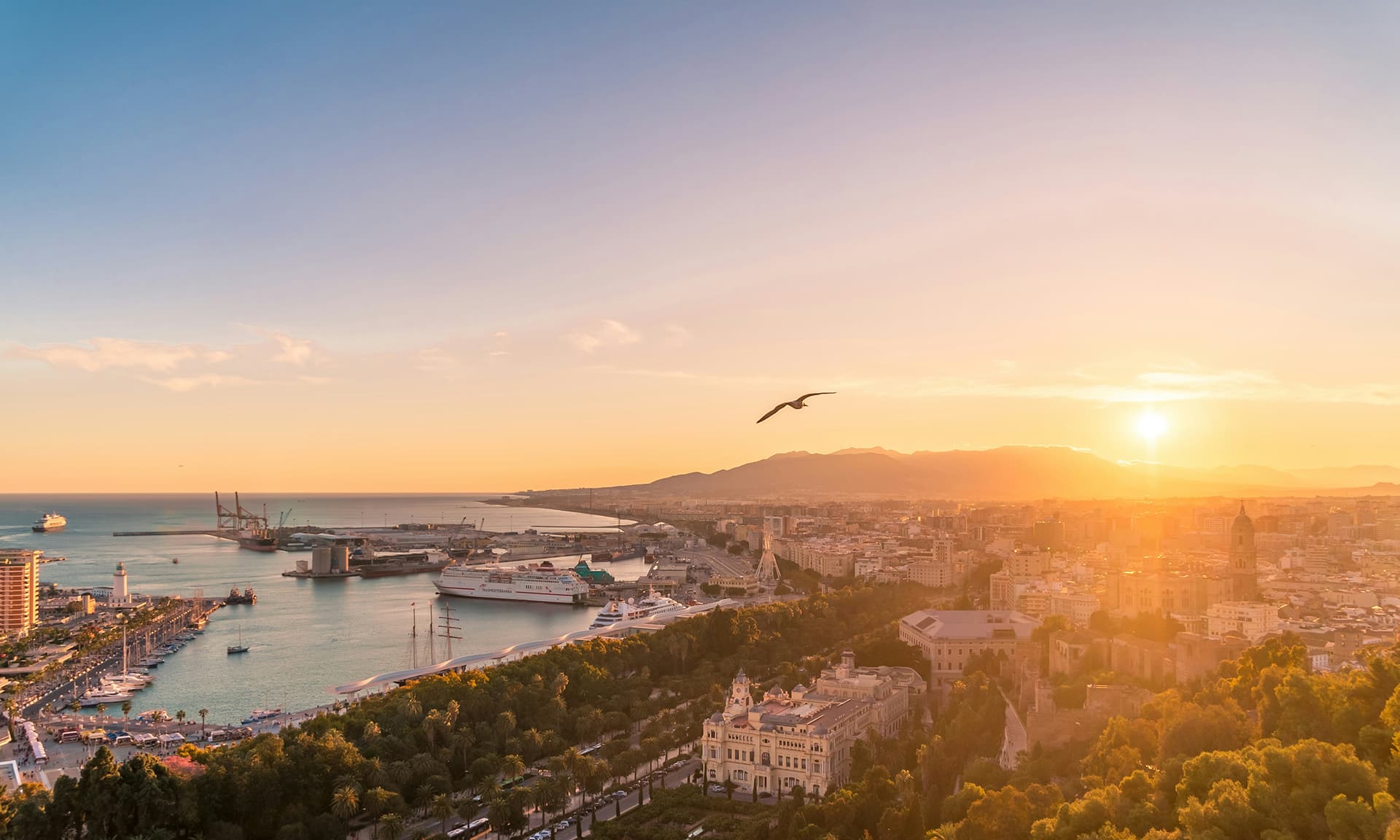
Tenerife: The Heart of the Canary Islands
Tenerife, the largest and most populous island in the Canary Islands, is often considered the heart of this stunning archipelago. With its diverse landscapes, rich culture, and numerous activities, it offers something for every type of traveler. From the towering peaks of Mount Teide, Spain's highest mountain, to the vibrant streets of its capital, Santa Cruz, and the historic charm of La Laguna, Tenerife is a microcosm of adventure, relaxation, and exploration.
Mount Teide: A Natural Wonder
At the center of Tenerife lies Mount Teide National Park, a UNESCO World Heritage site and one of the most visited national parks in the world. The park is home to the majestic Mount Teide, which rises 3,718 meters (12,198 feet) above sea level. Its volcanic landscapes, characterized by unique rock formations and diverse flora, create a surreal environment that attracts nature lovers and adventure seekers alike.
- Hiking: Numerous trails wind through the park, catering to all skill levels. The most popular hike is the trail to the summit, which offers breathtaking views of the island and beyond.
- Cable Car: For those who prefer a more leisurely ascent, the Teide Cable Car takes visitors to a viewpoint just below the summit, providing panoramic vistas of the surrounding landscape.
- Stargazing: Due to its high altitude and clear skies, Mount Teide is one of the best places in the world for stargazing. Numerous guided tours are available for those interested in exploring the night sky.
Cultural Treasures in Santa Cruz
The capital city, Santa Cruz de Tenerife, is a vibrant hub of culture and history. The city boasts a mix of modern architecture and traditional Canarian buildings, making it a fascinating place to explore.
- Auditorio de Tenerife: This iconic concert hall, designed by architect Santiago Calatrava, is a must-see for its stunning architecture and cultural events.
- Parque García Sanabria: A beautiful park in the heart of the city, perfect for a leisurely stroll, featuring exotic plants, fountains, and art installations.
- Local Markets: Don’t miss the Mercado de Nuestra Señora de África, a bustling market where you can sample local produce, cheeses, and traditional Canarian dishes.
Historic La Laguna
Just a short drive from Santa Cruz lies San Cristóbal de La Laguna, a UNESCO World Heritage site known for its well-preserved colonial architecture and rich history. Once the capital of Tenerife, La Laguna is characterized by its colorful buildings and charming cobblestone streets.
- Cathedral of La Laguna: Visit the Cathedral of Our Lady of the Conception, a beautiful structure that reflects the island's colonial past.
- Historic University: The Universidad de La Laguna is one of the oldest universities in the Canary Islands, contributing to the city's vibrant student atmosphere.
- Festivals: La Laguna hosts various cultural events throughout the year, including the famous Fiestas de la Virgen de la Concepción, offering visitors a taste of local traditions and celebrations.
Beaches and Outdoor Activities
Tenerife is also home to some of the most beautiful beaches in the Canary Islands. The island's coastline features a mix of golden sands and rugged cliffs, catering to sunbathers and water sports enthusiasts alike.
- Playa de las Américas: A popular beach destination known for its vibrant nightlife, restaurants, and water activities, including surfing and jet skiing.
- Los Cristianos: A family-friendly beach with calm waters, perfect for swimming and snorkeling.
- Natural Pools: The Charco del Viento and Los Guíos are natural pools formed by volcanic rock, providing a unique swimming experience.
With its stunning landscapes, rich cultural heritage, and endless activities, Tenerife truly embodies the charm and diversity of the Canary Islands. Whether you seek adventure in nature, cultural experiences in historic towns, or relaxation on beautiful beaches, Tenerife has everything you need for an unforgettable getaway.
Gran Canaria: A Microcosm of Natural Wonders
Gran Canaria, often referred to as a miniature continent, is one of the most diverse islands in the Canary archipelago. With its stunning beaches, dramatic mountains, and vibrant cities, it offers a unique blend of relaxation and adventure. Whether you are seeking sun-soaked shores, lush natural parks, or bustling urban life, Gran Canaria has something for everyone.
Stunning Beaches
The island is renowned for its beautiful beaches, each offering a distinct atmosphere. Some of the must-visit beaches include:
- Playa de Las Canteras: Located in the capital city of Las Palmas, this urban beach is famous for its golden sands and clear waters, making it perfect for swimming, sunbathing, and beach sports.
- Playa del Inglés: Known for its lively atmosphere and vibrant nightlife, this beach is a favorite among tourists looking to enjoy a fun-filled day under the sun.
- Maspalomas: Famous for its stunning dunes, this beach offers a unique landscape perfect for long walks and photography. The nearby lighthouse is an iconic landmark worth visiting.
- Amadores Beach: A more tranquil option, Amadores boasts calm waters and a relaxed vibe, ideal for families and couples seeking a peaceful retreat.
Natural Wonders and Outdoor Activities
Gran Canaria's diverse landscapes are perfect for outdoor enthusiasts. The island is home to several natural parks and hiking trails that showcase its unique ecosystems:
- Roque Nublo: This iconic rock formation is one of the island's most famous landmarks. The hike to Roque Nublo offers breathtaking views of the surrounding mountains and valleys, making it a must-do for nature lovers.
- Bandama Caldera: A volcanic crater that provides stunning panoramic views, Bandama is perfect for both hiking and exploring the fascinating geological features of the island.
- Las Dunas de Maspalomas: These impressive sand dunes are a protected natural reserve and offer a unique desert-like landscape. You can explore the dunes on foot or take a camel ride for a memorable experience.
- Palmitos Park: A botanical garden and zoo, Palmitos Park is home to a variety of exotic plants and animals. It's a great place for families and offers shows featuring birds of prey and dolphins.
Cultural Experiences and Bustling Cities
Gran Canaria is not just about nature; it also boasts vibrant cities rich in culture and history. Las Palmas, the island's capital, is a cultural hub with plenty to explore:
- Vegueta: The historic district of Las Palmas, Vegueta is home to beautiful colonial architecture, museums, and the stunning Santa Ana Cathedral. A stroll through its cobblestone streets offers a glimpse into the island's past.
- Triana: This lively neighborhood is known for its shopping, dining, and vibrant atmosphere. Here, you can find local boutiques, tapas bars, and cultural events throughout the year.
- Casa de Colón: A museum dedicated to Christopher Columbus, this historical building showcases the island's maritime history and its connection to the Americas.
Gastronomy and Local Delights
No visit to Gran Canaria would be complete without indulging in its local cuisine. The island's gastronomy reflects its diverse cultural influences. Some dishes to try include:
- Papas arrugadas: Canarian wrinkled potatoes served with mojo sauce, a traditional dipping sauce made from garlic, olive oil, and spices.
- Gofio: A staple in Canarian cuisine, gofio is a type of flour made from roasted grains, often used in various dishes or served with fish and meat.
- Fresh seafood: Gran Canaria is surrounded by the Atlantic Ocean, making it an ideal place to enjoy fresh fish and seafood dishes. Look for local specialties like grilled octopus or fried fish.
Conclusion
Gran Canaria truly is a microcosm of natural wonders, offering a diverse range of landscapes, activities, and cultural experiences. Whether you want to relax on pristine beaches, hike through stunning national parks, or immerse yourself in the local culture, this island has it all. Plan your visit to Gran Canaria and discover the unique charm and beauty that await you.
Lanzarote: Land of Volcanic Beauty
Known for its otherworldly volcanic landscapes and unique cultural heritage, Lanzarote is a must-visit destination in the Canary Islands. The island's dramatic scenery, shaped by volcanic eruptions, offers visitors a chance to explore a surreal environment that feels almost extraterrestrial. With its stunning beaches, architectural wonders, and outdoor activities, Lanzarote caters to both adventure seekers and those looking for relaxation.
Volcanic Landscapes
The crown jewel of Lanzarote's natural beauty is the Timanfaya National Park, a UNESCO Biosphere Reserve. This park features a vast expanse of volcanic craters, lava fields, and geothermal activity. Visitors can take guided tours to witness the park's unique geology, including the famous Montañas del Fuego (Fire Mountains), where you can feel the heat emanating from the ground.
One of the highlights of the park is the Islote de Hilario, a popular spot for demonstrations of the geothermal energy that lies beneath the surface. Here, you can see how heat from the earth is harnessed to cook food and generate steam. The park's visitor center also offers informative displays about the island's volcanic history.
César Manrique's Architectural Legacy
Lanzarote is not just about natural beauty; it is also home to the visionary artist and architect César Manrique. His influence is evident throughout the island, where he seamlessly integrated nature with architecture. A visit to his former home, now the César Manrique Foundation, is a must. The house itself is built into the volcanic rock and features stunning gardens, art installations, and breathtaking views of the surrounding landscape.
Another iconic site is the Jameos del Agua, a unique cultural center that combines a volcanic cave with a concert hall, restaurant, and swimming pool. The space is home to a rare species of blind albino crabs and showcases Manrique's commitment to preserving Lanzarote's natural beauty while providing a space for art and culture.
Beaches and Water Sports
Lanzarote boasts some of the most beautiful beaches in the Canary Islands, perfect for sunbathing, swimming, and water sports. The Playa de Papagayo is often regarded as one of the best beaches on the island, featuring golden sands and crystal-clear waters. Its secluded coves provide a tranquil setting for relaxation.
For those looking for adventure, Lanzarote offers excellent conditions for water sports, including surfing, windsurfing, and kitesurfing. The beaches of Famara and Las Cucharas are popular spots for both beginners and experienced surfers alike. You can find numerous rental shops and schools offering lessons and equipment.
Exploring the Vineyards
Lanzarote's unique volcanic soil also lends itself to a thriving wine industry. The La Geria wine region is known for its distinctive vineyards, where grapes are cultivated in circular stone walls to protect them from the wind and sun. Here, you can visit local wineries, sample the renowned Malvasía wine, and learn about the island's traditional winemaking techniques.
Many wineries offer guided tours and tastings, providing an excellent opportunity to immerse yourself in Lanzarote's gastronomic culture. Pair your wine with local dishes such as papas arrugadas (wrinkled potatoes) served with mojo sauce for a true taste of the island.
Outdoor Activities and Adventures
Lanzarote's stunning landscapes provide ample opportunities for outdoor activities. The island is crisscrossed with hiking trails, offering everything from leisurely walks to challenging treks. The Camino de los Gracioseros is a popular hiking route that takes you through the island's volcanic terrain and offers spectacular views of the coast.
For those seeking a more adrenaline-fueled experience, consider taking a guided bike tour through the Timanfaya National Park or exploring the rugged coastline by kayak. Many tour operators offer excursions that cater to various skill levels, ensuring that everyone can enjoy the island's natural beauty.
Conclusion
Lanzarote's unique blend of volcanic landscapes, cultural heritage, and outdoor activities make it a captivating destination within the Canary Islands. Whether you're exploring Timanfaya National Park, enjoying the architectural wonders of César Manrique, or relaxing on pristine beaches, Lanzarote promises an unforgettable experience that showcases the island's exceptional beauty.
Fuerteventura: The Surfing Paradise
Fuerteventura, the second-largest island in the Canary Islands archipelago, is a haven for beach lovers, water sports enthusiasts, and those looking to unwind in a serene environment. With its stunning coastline, crystal-clear waters, and a laid-back atmosphere, Fuerteventura has rightfully earned its reputation as a surfing paradise. Whether you’re a seasoned pro or a beginner eager to catch your first wave, this island offers a variety of spots that cater to all skill levels.
Beaches That Define Paradise
Fuerteventura boasts some of the most beautiful beaches in the world, with golden sands and turquoise waters that stretch for miles. Here are a few must-visit beaches:
- Playa de Sotavento: Located on the eastern coast, Playa de Sotavento is famous for its shallow waters and consistent winds, making it a top destination for windsurfing and kitesurfing. The beach is expansive, providing ample space for sunbathing and relaxation.
- Playa de Jandía: This beach is known for its stunning natural beauty and is perfect for swimming, sunbathing, and various water sports. The nearby Jandía Natural Park offers breathtaking views and hiking opportunities.
- Corralejo Natural Park: A unique blend of dunes and beaches, Corralejo is a paradise for both surfers and sunbathers. The park’s dramatic sand dunes provide a picturesque backdrop, and the waves here are ideal for surfing.
- El Cotillo: This charming fishing village features beautiful lagoons and beaches with crystal-clear waters. El Cotillo is perfect for swimming and snorkeling, with its calm waters and vibrant marine life.
Water Sports Galore
Fuerteventura is renowned for its excellent conditions for various water sports. Here are some popular activities you can enjoy:
- Windsurfing: With consistent winds year-round, Fuerteventura is a windsurfing hotspot. The island hosts several international competitions, and numerous schools offer lessons and equipment rentals for all skill levels.
- Kitesurfing: The island's beaches, especially Playa de Sotavento, are ideal for kitesurfing. The reliable winds and warm waters make it a favorite among kitesurfers from around the globe.
- Surfing: Fuerteventura has excellent surf spots suitable for beginners and experienced surfers alike. Spots like Punta Blanca and La Pared offer challenging waves, while other areas cater to those just starting out.
- Snorkeling and Diving: The clear waters around Fuerteventura are teeming with marine life. Snorkeling and diving excursions allow you to explore underwater caves, reefs, and shipwrecks.
Laid-Back Island Vibe
Beyond its beaches and water sports, Fuerteventura offers a relaxed atmosphere that encourages visitors to unwind and enjoy the natural beauty of the island. The local towns, such as Corralejo and El Cotillo, feature charming streets lined with shops, restaurants, and cafés. Here, you can savor delicious Canarian cuisine, including fresh seafood, traditional tapas, and local wines.
Exploring the Island
While Fuerteventura is famous for its beaches, the island also offers stunning landscapes and unique geological formations. Consider exploring:
- Isla de Lobos: A short boat ride from Corralejo, this small island is a natural park with beautiful beaches, hiking trails, and opportunities for snorkeling.
- Betancuria: The historical capital of Fuerteventura, Betancuria is nestled in a valley and features beautiful architecture, museums, and stunning views of the surrounding mountains.
- Ajuy Caves: Located on the west coast, these impressive caves are formed by volcanic activity and are accessible via a scenic walk along the cliffs.
When to Visit
Fuerteventura enjoys a mild climate year-round, making it an attractive destination at any time. However, the best time for water sports is from April to October when the winds are most favorable. If you prefer a quieter experience, consider visiting during the shoulder seasons of spring and autumn.
Fuerteventura is more than just a surfing paradise; it’s a destination where adventure meets relaxation. With its idyllic beaches, thrilling water sports, and a welcoming atmosphere, this island is a must-visit for anyone looking to experience the best of the Canary Islands.
La Palma: The Green Island
Known as the "Green Island" of the Canary Islands, La Palma is a haven for nature lovers and adventure seekers alike. With its lush landscapes, dramatic cliffs, and clear skies, La Palma offers a unique escape from the more tourist-heavy islands. Whether you're hiking through ancient laurel forests, gazing at the stars from one of the world’s best astronomical observatories, or simply soaking in the serene beauty of the island, La Palma is a destination that promises tranquility and adventure.
Natural Wonders and Hiking Trails
La Palma is renowned for its diverse ecosystems, with over 30% of the island designated as a protected area. The island's volcanic origin has resulted in stunning geological formations, including steep cliffs, deep ravines, and fertile valleys. Here are some of the must-visit natural spots:
- Caldera de Taburiente National Park: This expansive national park is a hiker's paradise, featuring trails that wind through lush forests and offer breathtaking views of the caldera. Don’t miss the chance to hike to the park's highest point, Roque de los Muchachos, where you can enjoy panoramic views of the island and beyond.
- Los Tilos Forest: A UNESCO Biosphere Reserve, this ancient laurel forest is home to unique flora and fauna. The trails here are well-marked and suitable for various skill levels, making it an excellent spot for families and seasoned hikers alike.
- La Ruta de los Volcanes: This iconic hiking route takes you through a landscape shaped by volcanic activity, showcasing the island's geological diversity. The trail stretches from the southern tip of the island to the village of Fuencaliente, offering stunning views of the Atlantic Ocean.
Stargazing in La Palma
La Palma is considered one of the best places in the world for stargazing due to its clear skies and minimal light pollution. The island is home to the Roque de los Muchachos Observatory, which hosts several powerful telescopes, including the Gran Telescopio Canarias, the largest single aperture optical telescope in the world. Visitors can participate in stargazing tours that allow them to explore the night sky with the guidance of expert astronomers. Whether you're a novice or an experienced stargazer, witnessing the Milky Way and other celestial wonders from La Palma is an unforgettable experience.
Charming Villages and Local Culture
While La Palma is primarily known for its natural beauty, it also boasts charming villages that reflect the island's rich culture and history. Here are a few highlights:
- Santa Cruz de La Palma: The island's capital features beautifully preserved colonial architecture, vibrant streets, and a picturesque harbor. Don’t miss the chance to visit the Insular Museum and the Church of El Salvador, which showcases stunning wooden altarpieces.
- Los Llanos de Aridane: This lively town is the cultural heart of La Palma, offering a variety of shops, restaurants, and cafes. The nearby Caldera de Taburiente can be accessed from here, making it a great base for outdoor activities.
- San Andrés y Sauces: Nestled in the lush northern part of the island, this village is known for its stunning landscapes and traditional Canarian architecture. Explore the local markets and enjoy the laid-back atmosphere.
Beaches and Relaxation
La Palma may not have the same number of beaches as some of its neighboring islands, but it offers a selection of unique and beautiful spots to unwind:
- Playa de Nogales: A stunning black sand beach surrounded by cliffs, perfect for sunbathing and swimming. The beach is less crowded, making it ideal for those seeking a peaceful escape.
- Playa de Puerto Naos: Located near the town of Los Llanos, this beach features golden sand and calm waters, making it a popular spot for families. The promenade is lined with restaurants and bars, perfect for enjoying local cuisine.
- Charco Azul: A natural swimming pool formed by volcanic rocks, offering a unique swimming experience. The clear waters and surrounding greenery create a serene environment for relaxation.
La Palma is not just a destination; it’s an experience that immerses you in nature, culture, and tranquility. Whether you’re hiking through its breathtaking landscapes, gazing at the stars, or enjoying the local cuisine, La Palma promises an unforgettable adventure in the heart of the Canary Islands.
La Gomera: A Hiker's Paradise
Nestled in the heart of the Canary Islands, La Gomera is a hidden gem known for its breathtaking landscapes, lush greenery, and diverse hiking trails. This small island, which is often overshadowed by its larger neighbors, offers some of the best hiking experiences in the archipelago. With its dramatic ravines, ancient forests, and stunning vistas, La Gomera is a paradise for outdoor enthusiasts and nature lovers alike.
Exploring Garajonay National Park
The crown jewel of La Gomera is undoubtedly Garajonay National Park, a UNESCO World Heritage site that covers nearly half of the island. This park is characterized by its dense laurel forests, steep cliffs, and unique biodiversity. Here are some highlights:
- Hiking Trails: The park offers numerous well-marked trails suitable for all skill levels. Popular routes include the Los Roques trail, which leads to stunning rock formations, and the El Cedro trail, which takes you through lush forests and along babbling streams.
- Views from the Summit: The highest point in La Gomera, Garajonay Peak, stands at 1,487 meters. The hike to the summit is rewarding, offering panoramic views of the island and the surrounding ocean.
- Biodiversity: The park is home to unique flora and fauna, including endemic species that can only be found in this part of the world. Keep an eye out for the La Gomera lizard and various bird species, such as the Blue Chaffinch.
Challenging Ridges and Ravines
For those seeking more challenging hikes, La Gomera's rugged terrain provides plenty of options. The island is crisscrossed with deep ravines, some of which offer exhilarating trails:
- Argaga to Valle Gran Rey: This trail descends through the stunning Valle Gran Rey ravine, known for its dramatic cliffs and terraced farmland. The descent offers breathtaking views of the coastline.
- Los Silos to Vallehermoso: A more strenuous hike, this route takes you through the Los Silos ravine and offers stunning views of the island's mountainous interior. The path is steep, but the vistas are worth the effort.
- El Contadero: This hike offers a combination of coastal and mountainous scenery, leading you through traditional Canarian villages and lush landscapes.
Discovering Local Culture
While the natural beauty of La Gomera is a major draw, the island's rich cultural heritage is equally captivating. As you hike, take the time to explore the charming villages scattered throughout the island:
- San Sebastián: The capital of La Gomera, San Sebastián is home to historical sites such as the Church of Nuestra Señora de la Asunción and the Columbus House, where Christopher Columbus is said to have stopped on his journey to the Americas.
- Agulo: Known as the "prettiest village in La Gomera," Agulo features traditional Canarian architecture and stunning views of the ocean. The village is a great place to take a break and enjoy local cuisine.
- Hermigua: This picturesque village is surrounded by banana plantations and offers a glimpse into the island's agricultural traditions. Visit the local market for fresh produce and handmade crafts.
Practical Tips for Hiking in La Gomera
Before you set out on your hiking adventure in La Gomera, consider these practical tips:
- Best Time to Visit: The ideal time for hiking in La Gomera is during the spring (March to May) and autumn (September to November) when temperatures are mild and the trails are less crowded.
- Footwear: Invest in a good pair of hiking boots, as many trails can be steep and rocky. Comfortable, moisture-wicking clothing is also recommended.
- Stay Hydrated: Carry plenty of water, especially during longer hikes. There are few facilities along the trails, so it's essential to be prepared.
- Respect Nature: Follow marked trails and adhere to park regulations to preserve the island's natural beauty for future generations.
La Gomera is not just a destination; it is an experience that immerses you in nature, culture, and adventure. Whether you're a seasoned hiker or a casual walker, the island's diverse landscapes and rich heritage offer something for everyone. Lace up your hiking boots and get ready to explore one of the most enchanting islands in the Canary archipelago.
El Hierro: The Hidden Gem
El Hierro, the smallest and least populated of the Canary Islands, is a true hidden gem that offers a unique blend of stunning landscapes, rich biodiversity, and a commitment to sustainable tourism. Known for its dramatic cliffs, volcanic terrain, and pristine natural beauty, El Hierro is perfect for eco-tourists and those looking to escape the hustle and bustle of more commercialized destinations.
Getting to Know El Hierro
Located to the southwest of Tenerife, El Hierro is accessible via a short flight from Tenerife or Gran Canaria, or by ferry from La Gomera or Tenerife. The island is small, measuring just 268 square kilometers, making it easy to explore by car or bicycle. With its rugged terrain and limited public transport, renting a car is the best way to experience all that El Hierro has to offer.
Natural Wonders and Outdoor Activities
The island's dramatic landscapes are characterized by volcanic craters, steep cliffs, and lush valleys. Here are some highlights of El Hierro's natural attractions:
- El Sabinar: This iconic grove of twisted juniper trees is a must-see. Located at the island's southern point, these trees have adapted to the strong trade winds, creating a surreal landscape that is perfect for photography.
- Teatro Aéreo: A geological wonder, this natural amphitheater features steep cliffs and breathtaking views over the Atlantic Ocean. Hiking trails lead you through the area, providing ample opportunities for exploration.
- La Restinga: Known for its crystal-clear waters, La Restinga is a diver's paradise. The underwater volcanic formations and rich marine life make it an excellent spot for diving and snorkeling.
- El Hierro Biosphere Reserve: Designated by UNESCO, this reserve encompasses the entire island and is home to diverse ecosystems, from coastal areas to mountainous regions, making it ideal for hiking and nature walks.
Sustainability and Eco-Tourism
El Hierro is a pioneer in sustainable tourism, having committed to becoming a fully renewable energy island. The island's energy comes from a combination of wind, solar, and hydroelectric sources, making it a model for eco-friendly travel. Visitors can appreciate this commitment through:
- Renewable Energy Projects: Explore the island's wind farms and hydroelectric plants, which showcase how El Hierro is leading the way in sustainable energy.
- Eco-Friendly Accommodations: Many hotels and guesthouses on the island prioritize sustainability, offering eco-friendly amenities and practices.
- Local Farming: Engage with local farmers and discover traditional agricultural practices. Many restaurants serve dishes made from locally-sourced ingredients, allowing you to taste the island's unique flavors.
Cultural Experiences
Beyond its natural beauty, El Hierro has a rich cultural heritage waiting to be explored. The island's small towns, such as Valverde (the capital) and La Frontera, offer a glimpse into traditional Canarian life.
- Valverde: This charming town features narrow streets, traditional Canarian architecture, and local shops. Be sure to visit the Church of Nuestra Señora de la Concepción, a historical landmark.
- La Frontera: Known for its stunning views and local festivals, La Frontera is a great place to experience El Hierro's vibrant culture. The annual Bajada de la Virgen de los Reyes festival is a highlight, attracting visitors from all over the archipelago.
Gastronomy of El Hierro
The culinary scene on El Hierro is deeply influenced by its agricultural practices and local ingredients. Don’t miss the chance to sample:
- Queso de El Hierro: A delicious local cheese made from goat's milk, known for its rich flavor.
- Gofio: A traditional Canarian flour made from roasted grains, often served with various dishes.
- Fresh Seafood: Enjoy freshly caught fish at local restaurants, prepared with simple yet flavorful ingredients.
In summary, El Hierro is a remarkable destination for travelers seeking unspoiled nature, sustainable tourism, and authentic cultural experiences. Whether you’re hiking through its stunning landscapes, diving in its clear waters, or savoring local delicacies, El Hierro promises a unique and enriching escape in the Canary Islands.
Culinary Delights: Taste of the Canary Islands
The Canary Islands are not only renowned for their stunning landscapes and pleasant climate but also for their rich and diverse culinary heritage. The islands boast a unique blend of Spanish, African, and Latin American influences, resulting in a vibrant gastronomic scene that is sure to tantalize your taste buds. Whether you're a food enthusiast or just looking to try something new, the culinary delights of the Canary Islands will leave a lasting impression.
Traditional Dishes to Try
When visiting the Canary Islands, there are several traditional dishes that you simply cannot miss. These dishes highlight local ingredients and reflect the islands' cultural diversity:
- Papas Arrugadas: These wrinkled potatoes are a staple in Canarian cuisine. They are boiled in saltwater, giving them a unique flavor and texture. Often served with mojo sauce, a garlicky sauce made from olive oil, garlic, vinegar, and spices, they make a perfect side dish.
- Mojo Picón: This iconic sauce comes in two varieties: red and green. The red mojo is made with red peppers, while the green is made with cilantro. Both sauces are rich in flavor and are typically served with meats, fish, and, of course, papas arrugadas.
- Gofio: A traditional flour made from roasted grains, gofio is a versatile ingredient used in various dishes, from porridge to desserts. It is often mixed with water or milk and can be enjoyed as a nutritious snack.
- Ropa Vieja: This hearty dish consists of shredded beef cooked with vegetables and spices, often served with rice or potatoes. It's a comforting meal that reflects the island's culinary heritage.
- Caldo de Pescado: A flavorful fish stew made with a variety of local fish, potatoes, and vegetables, caldo de pescado is a must-try for seafood lovers. Each island has its own variation, making it a delightful dish to sample.
Seafood Fresh from the Ocean
Given the islands' location, it's no surprise that seafood plays a significant role in Canarian cuisine. The surrounding Atlantic Ocean provides an abundance of fresh fish and shellfish. Here are some local seafood dishes you should try:
- Cherne: A local fish that is often grilled or baked, cherne is known for its firm texture and mild flavor. It's frequently served with a drizzle of mojo sauce.
- Pulpo a la Gallega: This dish features octopus cooked to perfection, usually served with potatoes and sprinkled with paprika and olive oil. It’s a delicious representation of the islands' maritime bounty.
- Sancocho Canario: A traditional fish stew made with salted fish, potatoes, and sweet potatoes, served with mojo sauce. This dish exemplifies the Canarian way of preserving seafood.
Indulging in Local Wines
The Canary Islands are home to a burgeoning wine industry, with each island producing its own unique varietals. The volcanic soil and unique climate contribute to the distinctive flavors of Canarian wines. Be sure to sample:
- Malvasía: A white wine that is aromatic and often slightly sweet, Malvasía is a perfect pairing with seafood dishes.
- Listán Negro: A robust red wine with fruity notes, Listán Negro is a fantastic companion to meats and hearty dishes.
- Wine Tours: Consider taking a wine tour to visit local vineyards, where you can learn about the winemaking process and taste some exquisite wines.
Sweet Treats to Savor
No meal is complete without dessert, and the Canary Islands have a delightful array of sweet treats to indulge in:
- Bienmesabe: A traditional dessert made from ground almonds, sugar, and egg yolks, bienmesabe is often served with ice cream or as a filling in pastries.
- Frangollo: This sweet pudding made from cornmeal, milk, and sugar is flavored with almonds and lemon, making it a comforting end to any meal.
- Quesillo: A Canarian flan, quesillo is rich and creamy, often flavored with orange zest, making it a delightful way to finish your dining experience.
Exploring the culinary delights of the Canary Islands is an adventure in itself. From traditional dishes to fresh seafood and exquisite wines, each bite tells a story of the islands’ rich cultural tapestry. Whether dining in a local tavern or enjoying a meal with a view of the ocean, the flavors of the Canary Islands are sure to create unforgettable memories.
Getting Around: Island Hopping Made Easy
The Canary Islands, an archipelago off the northwest coast of Africa, are known for their stunning landscapes and diverse cultures. With seven main islands to explore, getting around can seem daunting. However, with a variety of transport options available, island hopping is both easy and enjoyable. Here’s a comprehensive guide on how to navigate the Canary Islands efficiently.
1. Ferries: The Scenic Route
One of the most popular ways to travel between the islands is by ferry. The ferry services are operated by several companies, with Fred. Olsen Express and Naviera Armas being the two main providers. Here’s what you need to know:
- Routes: Ferries connect most of the major islands, including Tenerife, Gran Canaria, Lanzarote, Fuerteventura, and La Gomera. Popular routes include Santa Cruz (Tenerife) to Las Palmas (Gran Canaria) and Playa Blanca (Lanzarote) to Corralejo (Fuerteventura).
- Duration: Travel times vary depending on the distance between islands, ranging from 30 minutes to over two hours. For example, the ferry from Tenerife to Gran Canaria takes about 1 hour and 15 minutes.
- Reservations: It’s advisable to book your ferry tickets in advance, especially during peak tourist seasons. Online booking is available through the ferry companies’ websites, and tickets can also be purchased at the port.
2. Flights: Quick and Convenient
For those looking to save time, flights are a viable option for inter-island travel. The Canary Islands have several airports, with the main ones being located in Tenerife, Gran Canaria, and Lanzarote. Here’s what to consider:
- Airlines: Airlines such as Binter Canarias and Canaryfly operate frequent flights between the islands, making it easy to hop from one to another.
- Flight Duration: Flights between the islands are typically short, ranging from 20 to 50 minutes. This option is particularly useful for traveling from the more remote islands like El Hierro or La Gomera to the larger islands.
- Booking: Tickets can be booked online, and it’s best to reserve in advance, especially during the busy summer months.
3. Car Rentals: Explore at Your Own Pace
If you prefer to explore the islands at your own pace, renting a car is a great option. Each island has its own rental agencies, and you’ll find both international and local companies available. Consider the following:
- Driving Conditions: The roads on the islands are generally well-maintained, and driving is relatively easy. However, be prepared for some winding roads, especially in mountainous areas like La Palma and La Gomera.
- Ferry with Car: If you want to take your rental car between islands, check if the rental company allows this. Many ferry services permit vehicles, but additional fees may apply.
- Parking: Parking can be limited in popular tourist areas, so plan accordingly and consider using public transport for city exploration.
4. Public Transport: Eco-Friendly Options
For budget-conscious travelers or those looking to minimize their carbon footprint, public transport is a viable option. Each island has its own bus service:
- Tenerife: The TITSA bus service connects major towns and attractions, making it easy to navigate the island.
- Gran Canaria: The Global bus service covers the island extensively, with routes connecting Las Palmas to the southern beaches.
- Lanzarote: The Insular de Transportes offers bus services that cover key areas on the island.
While public transport may not reach every remote corner, it is a cost-effective way to explore the main attractions.
5. Biking and Walking: Embrace the Outdoors
For the more adventurous traveler, consider exploring the islands by bike or on foot. Many islands offer bike rental services and designated cycling paths:
- La Palma: Known for its lush landscapes and scenic trails, La Palma is ideal for hiking enthusiasts.
- Fuerteventura: The flat terrain makes it perfect for cycling, with numerous bike rental shops available.
Walking and biking not only provide a unique perspective of the islands but also allow you to connect with nature and enjoy the stunning scenery.
With these various options, getting around the Canary Islands is straightforward and can be tailored to your travel style. Whether you choose to hop on a ferry, catch a quick flight, or explore at your own pace with a rental car, the islands are well-connected and ready to be discovered.
Practical Tips for Your Canary Islands Adventure
The Canary Islands are a stunning archipelago, offering an incredible mix of natural beauty, rich culture, and outdoor activities. To make the most of your visit, here are some essential travel tips covering the best times to visit, packing advice, and local customs.
Best Times to Visit
The Canary Islands enjoy a mild climate year-round, making them a popular destination at any time. However, the best times to visit are:
- Spring (March to May): This season features pleasant temperatures, blooming flora, and fewer crowds, making it ideal for nature lovers and hikers.
- Autumn (September to November): Similar to spring, autumn offers warm weather and is perfect for beachgoers. This is also when many local festivals occur.
- Winter (December to February): While this is the peak tourist season, the weather remains mild, making it a popular escape from colder climates. However, expect larger crowds and higher prices.
Packing Advice
When packing for your Canary Islands adventure, consider the following:
- Layered Clothing: The temperature can vary significantly between day and night, especially in mountainous areas. Bring light clothing for the day and warmer layers for the evening.
- Swimwear: With stunning beaches and a plethora of water activities, don’t forget your swimwear! A beach towel and flip-flops are also essential.
- Hiking Gear: If you plan to explore the islands' beautiful trails, sturdy hiking shoes, a hat, and sunscreen are necessary.
- Adapters: The Canary Islands use the Type C and Type F plugs, with a standard voltage of 230V. Bring a universal adapter if your devices are not compatible.
- Reusable Water Bottle: Stay hydrated while being eco-friendly. Most areas have clean tap water, so refill your bottle as needed.
Local Customs and Etiquette
Understanding local customs can enhance your experience in the Canary Islands. Here are some tips:
- Greeting: A friendly handshake is the common form of greeting, but close friends often greet with a kiss on both cheeks.
- Dining Etiquette: If invited to a local's home, it is customary to bring a small gift, such as wine or pastries. When dining out, it’s polite to wait for the host to begin eating before you start.
- Language: While Spanish is the official language, many locals speak English, especially in tourist areas. However, learning a few basic Spanish phrases can go a long way in showing respect and enhancing interactions.
- Siesta Time: Many shops and businesses close in the afternoon for a siesta, typically from 2 PM to 5 PM. Plan your activities accordingly, especially in smaller towns.
- Respect for Nature: The Canary Islands boast unique ecosystems and protected areas. Always follow local guidelines when hiking or exploring nature to preserve the environment.
Transportation Tips
Getting around the Canary Islands can be easy with a few tips:
- Public Transport: Each island has its own public bus service, which is usually reliable and affordable. Check local schedules and routes for the best options.
- Car Rentals: If you wish to explore more remote areas, consider renting a car. This gives you the freedom to discover hidden gems at your own pace.
- Inter-Island Travel: Ferries connect the islands, making it easy to hop from one to another. Book tickets in advance during peak seasons to secure your spot.
Health and Safety
Your health and safety should always be a priority while traveling. Here are some important considerations:
- Travel Insurance: Always travel with insurance that covers medical emergencies, cancellations, and theft.
- Sun Protection: The sun can be intense, even in winter. Use sunscreen, wear hats, and seek shade during peak hours.
- Emergency Numbers: The emergency number for police, fire, and ambulance services in Spain is 112.
By keeping these practical tips in mind, you can ensure a smooth and enjoyable adventure in the beautiful Canary Islands. Embrace the vibrant culture, stunning landscapes, and warm hospitality of the islands, creating memories that will last a lifetime.